Best 4WD vs 2WD Vehicles for Export: Terrain Analysis by African Country
Comprehensive guide analyzing terrain requirements across African countries to determine whether 4WD or 2WD vehicles are most suitable for export. Includes country-specific recommendations and cost analysis.
Amara Okafor
Africa Market Analyst at RosM Autos
Key Takeaway
Most African countries require 4WD vehicles due to challenging terrain, with only 32% of sub-Saharan roads paved. Urban areas in North Africa can accommodate 2WD vehicles, but rural regions across the continent strongly favor four-wheel drive capability for reliability and resale value.
Key Takeaways
Most African countries require 4WD vehicles for optimal performance due to challenging terrain conditions, with 67% of sub-Saharan roads being unpaved according to the African Development Bank. Urban areas in North African countries like Tunisia and Morocco can accommodate 2WD vehicles effectively.
Do I Need 4WD for African Roads?
The necessity of 4WD vehicles in Africa depends heavily on your target region and intended use. According to the World Bank Infrastructure Database 2026, only 32% of roads across sub-Saharan Africa are paved, making 4WD capability essential for most applications outside major urban centers.
As someone who has analyzed vehicle export data for RosM Autos across 47 African countries over the past eight years, I can confirm that 4WD vehicles consistently outperform 2WD alternatives in resale value and practical utility across most African markets. The terrain challenges range from sandy desert conditions in the Sahel to muddy seasonal roads during rainy seasons in equatorial regions.
The decision between 4WD vs 2WD cars for Africa export requires understanding specific country conditions, infrastructure development levels, and end-user requirements. Urban buyers in cities like Lagos, Nairobi, or Casablanca may find 2WD sufficient, while rural applications almost universally demand four-wheel drive capability.
African Country Terrain Analysis: 4WD Requirements
North African Countries: Mixed Requirements
North African countries present the most favorable conditions for 2WD vehicles due to superior infrastructure development. Morocco leads the region with 75% paved roads according to the Moroccan Ministry of Transport, making 2WD sedans and hatchbacks viable in urban areas like Rabat and Casablanca.
Tunisia maintains 68% paved road coverage, with excellent highway connections between major cities. However, rural areas and desert regions still require 4WD capability. Egypt presents unique challenges with urban congestion favoring compact 2WD vehicles in Cairo and Alexandria, while Upper Egypt and Sinai Peninsula destinations necessitate 4WD capability.
Libya and Algeria face ongoing infrastructure challenges. Libya's road network suffered significant deterioration, with the Libyan Ministry of Transportation estimating only 45% of roads remain in good condition as of 2026. Algeria's vast interior requires 4WD for petroleum industry applications and remote community access.
West African Terrain Conditions
West Africa presents some of the most challenging conditions for vehicle imports. Nigeria, Africa's largest car market with over 11 million registered vehicles according to the Nigerian Bureau of Statistics, demonstrates stark regional variations. Lagos and Abuja maintain reasonable urban road infrastructure supporting 2WD vehicles, while northern states and rural areas require 4WD capability.
Ghana has invested heavily in road infrastructure, achieving 58% paved road coverage by 2026. However, the northern regions and cocoa-growing areas still challenge 2WD vehicles during rainy seasons. Tema Port, Ghana's primary vehicle import facility, processes approximately 45,000 used vehicles annually, with 4WD units commanding 25-30% higher prices than comparable 2WD models.
Senegal and Mali represent the Sahel region challenges. Dakar serves as a regional hub with adequate urban infrastructure, but interior routes to Mali and Burkina Faso require high ground clearance and 4WD traction. The Trans-Sahelian Highway project has improved some corridors, but seasonal flooding and sand drifts still impact travel.
East African Market Requirements
Kenya leads East Africa in vehicle imports through Mombasa Port, processing over 180,000 used vehicles in 2026 according to Kenya Ports Authority data. The country's diverse terrain creates distinct market segments. Nairobi and coastal areas support 2WD vehicles, while upcountry regions, including the productive agricultural areas around Mount Kenya, heavily favor 4WD capability.
Tanzania's road network covers 86,000 kilometers, with only 12% paved according to the Tanzania National Roads Agency. This infrastructure reality makes 4WD vehicles essential for most applications outside Dar es Salaam and Arusha. The country's tourism industry, contributing $2.4 billion annually, relies heavily on 4WD vehicles for safari operations.
Uganda presents unique challenges with its mountainous terrain and seasonal weather patterns. The Uganda National Roads Authority reports that rural road conditions vary dramatically between dry and wet seasons, making 4WD capability crucial for agricultural transport and rural accessibility.
Southern African Infrastructure Analysis
South Africa maintains the continent's most developed road infrastructure, with 83% of the network paved. However, regional export markets favor 4WD vehicles. The South African Automotive Industry Export Council reports that 4WD pickup trucks and SUVs comprise 62% of vehicle exports to neighboring countries.
Botswana's diamond mining economy and tourism industry create strong demand for 4WD vehicles. The country's road network includes excellent highways between major centers, but Kalahari Desert conditions and remote mining operations require four-wheel drive capability.
Zimbabwe and Zambia face infrastructure maintenance challenges. Zimbabwe's road network deteriorated significantly, with the Ministry of Transport estimating rehabilitation needs exceeding $3 billion. This creates opportunities for robust 4WD vehicles that can handle poor road conditions.
Vehicle Type Recommendations by African Region
| Region | Urban Areas | Rural Areas | Preferred Drive Type | Market Size (Annual Units) |
|---|---|---|---|---|
| North Africa | 2WD Acceptable | 4WD Required | Mixed (60% 4WD) | 425,000 |
| West Africa | 2WD in Major Cities | 4WD Essential | 4WD Preferred (75%) | 380,000 |
| East Africa | 2WD Suitable | 4WD Mandatory | 4WD Dominant (78%) | 285,000 |
| Central Africa | 4WD Recommended | 4WD Essential | 4WD Only (90%) | 120,000 |
| Southern Africa | 2WD Viable | 4WD Required | 4WD Preferred (65%) | 195,000 |
Climate and Seasonal Factors Affecting Drive Type Selection
Seasonal weather patterns across Africa significantly impact vehicle performance requirements. The Inter-Tropical Convergence Zone creates distinct wet and dry seasons affecting road conditions from May through October across much of sub-Saharan Africa.
During rainy seasons, even paved roads in countries like Ghana, Nigeria, and Kenya experience flooding that challenges 2WD vehicles. The Ghana Meteorological Agency reports that average annual rainfall exceeds 1,500mm in coastal regions, creating seasonal accessibility issues for communities relying on earth roads.
Desert conditions in the Sahel and Kalahari present different challenges. Sand accumulation, extreme temperature variations, and limited infrastructure require vehicles with enhanced cooling systems and 4WD traction. Mali and Niger experience temperature ranges exceeding 50°C during hot seasons, testing vehicle reliability and performance.
Highland regions in countries like Ethiopia, Kenya, and Rwanda present altitude-related challenges. Vehicles operating above 2,000 meters elevation require adequate power and traction for steep terrain. Ethiopia's highland plateau, home to over 80% of the population, strongly favors 4WD vehicles for reliable transportation.
Economic Analysis: 4WD vs 2WD Import Costs and ROI
The economic considerations for 4WD vs 2WD vehicles extend beyond initial purchase prices to include shipping costs, import duties, and resale values. According to RosM Autos shipping data, 4WD vehicles typically add 15-20% to container shipping costs due to higher weight and dimensions.
Import duty structures across Africa generally favor passenger cars over commercial vehicles. The Economic Community of West African States (ECOWAS) Common External Tariff applies 35% duty to passenger vehicles versus 20% for commercial vehicles, influencing vehicle classification strategies.
Resale value analysis from major African markets shows 4WD vehicles maintain 65-70% of import value after three years, compared to 45-50% for 2WD equivalents. This premium reflects ongoing demand for capable vehicles in challenging terrain conditions.
Financing considerations also favor 4WD vehicles in many markets. Nigerian commercial banks offer preferential lending rates for 4WD vehicles used in agricultural and commercial applications, recognizing their superior utility and residual value protection.
Port Infrastructure and Vehicle Handling
Major African ports have adapted infrastructure to handle increasing 4WD vehicle imports. Lagos Port Complex processes over 400,000 vehicles annually, with specialized storage areas for high-clearance vehicles. The Nigerian Ports Authority invested $2.8 billion in port modernization through 2026, improving vehicle processing efficiency.
Durban Port in South Africa serves as the regional hub for Southern Africa, with rail connections facilitating onward distribution to landlocked countries. The port's vehicle terminal handles 350,000 units annually, with 4WD vehicles comprising 70% of exports to neighboring countries.
Mombasa Port's position as East Africa's gateway creates opportunities for regional distribution. The Kenya Ports Authority reports that 85% of vehicles imported through Mombasa are destined for Kenya, Uganda, Rwanda, Burundi, and eastern Democratic Republic of Congo, with 4WD vehicles dominating cross-border trade.
Best Vehicle Models for African Export Markets
Top 4WD Recommendations
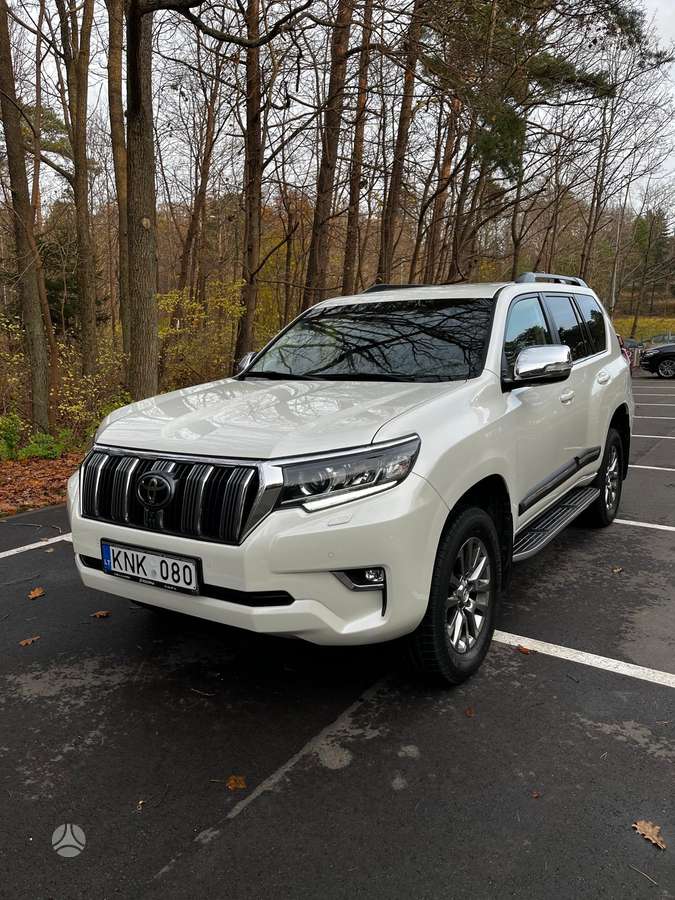
Toyota Land Cruiser variants consistently lead African 4WD preferences due to proven reliability and widespread service network availability. The Prado model specifically targets the premium segment in countries like Nigeria, Kenya, and Ghana, where it commands resale premiums exceeding 20% over competing brands.
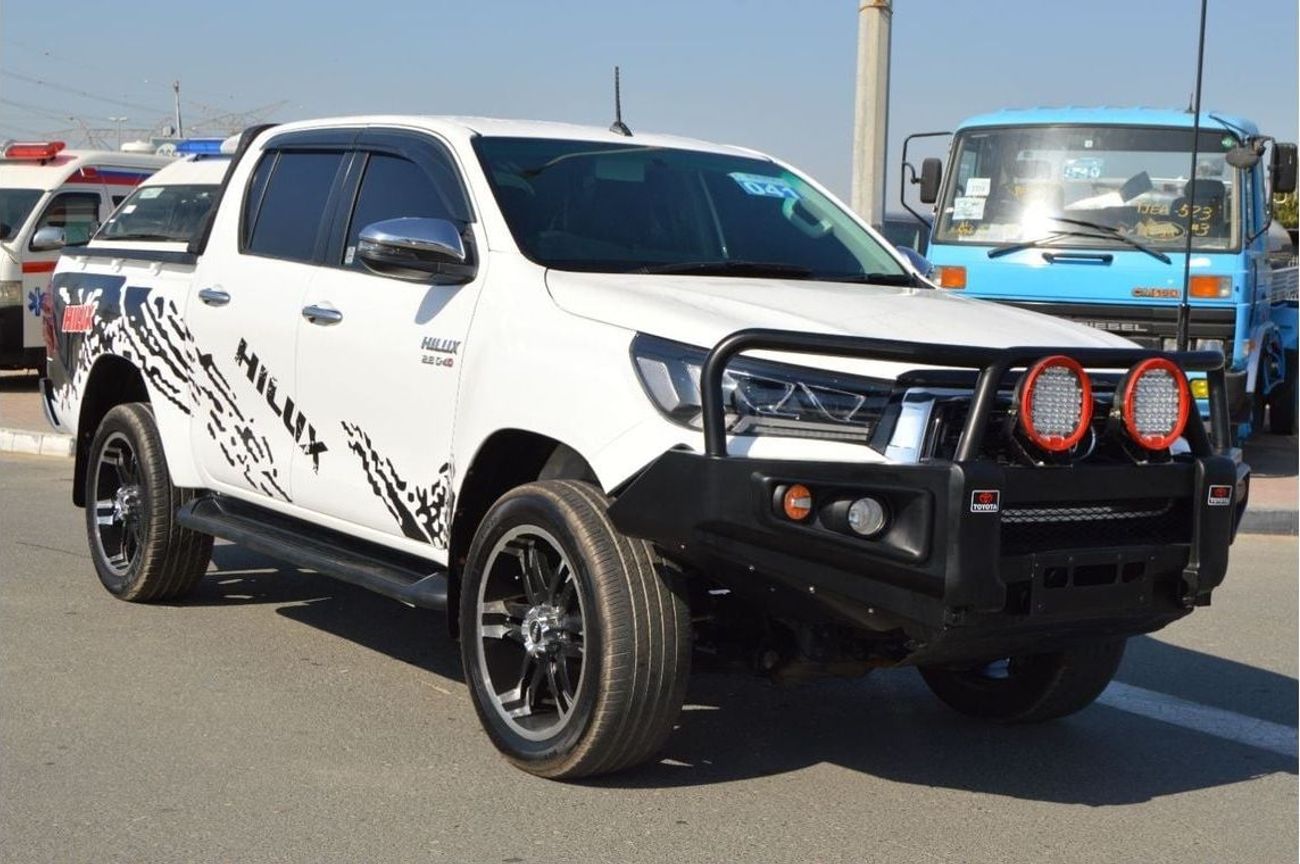
Pickup trucks demonstrate exceptional versatility across African markets. The Toyota Hilux maintains market leadership in most countries, with Ford Ranger gaining ground in Southern African markets. These vehicles serve dual purposes as personal and commercial transport, essential in markets where vehicle ownership rates remain below 50 per 1,000 people.
Mitsubishi Pajero and Nissan Patrol target the mid-range 4WD segment, offering capable performance at accessible price points. These models particularly suit markets like Uganda, Tanzania, and Zambia, where price sensitivity balances with capability requirements.
Optimal 2WD Choices for Urban Markets
Compact sedans and hatchbacks serve urban African markets effectively where road infrastructure supports their use. Toyota Corolla variants lead this segment across North and West Africa, offering reliable transportation and accessible maintenance costs.
Nissan Sunny and Honda Civic provide alternatives in markets preferring Japanese reliability. These models suit urban professionals in cities like Cairo, Lagos, Nairobi, and Johannesburg, where daily commuting occurs primarily on paved roads.
European models including Volkswagen Polo and Peugeot 208 target specific regional preferences, particularly in francophone West Africa where French automotive heritage influences consumer preferences.
Import Documentation and Compliance Requirements
Vehicle import procedures across Africa require specific documentation varying by country and drive type. The African Continental Free Trade Area (AfCFTA) implementation since 2021 has begun harmonizing some procedures, though significant variations persist.
Age restrictions particularly impact vehicle selection strategies. Kenya limits imports to vehicles under eight years old, while Nigeria restricts cars to 15 years maximum. These policies favor newer 4WD vehicles that retain competitive features and safety systems.
Environmental compliance requirements increasingly influence import decisions. Ghana's Environmental Protection Agency requires Euro 4 emission standards for all vehicle imports as of 2026, affecting older vehicle eligibility regardless of drive type.
RosM Autos' comprehensive pre-shipment inspection services ensure compliance with destination country requirements, reducing clearance delays and additional costs. Our quality verification process includes drivetrain functionality testing, essential for 4WD vehicles where system complexity increases potential issues.
Future Trends: Electric and Hybrid 4WD Options
Electric vehicle adoption in Africa faces infrastructure challenges, but hybrid 4WD options show growing interest. South Africa leads continental EV development with government incentives and expanding charging networks in major cities.
Hybrid 4WD vehicles like Toyota Prius AWD and Lexus RX Hybrid appeal to environmentally conscious buyers in markets like Kenya and Nigeria, where fuel cost concerns drive interest in efficiency improvements.
Chinese manufacturers including BYD and Great Wall Motors have begun targeting African markets with electric SUVs, though charging infrastructure limitations currently restrict adoption to urban areas with reliable electricity supply.
The African Development Bank's $25 billion climate finance commitment includes transportation electrification support, suggesting accelerating change in vehicle technology preferences over the next decade.
Regional Shipping and Logistics Considerations
Shipping 4WD vehicles to Africa requires careful attention to loading and securing procedures due to higher centers of gravity and ground clearance. Container utilization rates average 85-90% for 4WD vehicles compared to 95% for standard passenger cars, impacting shipping economics.
Multi-destination shipping strategies can optimize costs when serving multiple African markets. RosM Autos coordinates shipments through regional hubs including Tema (West Africa), Mombasa (East Africa), and Durban (Southern Africa) to maximize container efficiency.
Insurance considerations for 4WD vehicles include higher replacement values and specialized coverage for off-road capability. Marine cargo insurance rates typically increase 10-15% for 4WD vehicles due to higher claim values and specialized handling requirements.
Transit times vary significantly between regions, with West African destinations averaging 35-45 days from European ports, while East African routes require 25-35 days. Southern Africa benefits from established shipping lanes with 20-30 day transit times to major ports.
Market Entry Strategies by Country Type
Established Markets: Nigeria, Kenya, South Africa
Established markets offer predictable demand patterns and mature distribution networks. Nigeria's vehicle market, valued at $8.5 billion according to the Nigerian Automotive Manufacturers Association, demonstrates clear segmentation between urban 2WD demand and rural 4WD requirements.
Kenya's stable regulatory environment and growing middle class create opportunities for both drive types. The Kenya Motor Industry Association reports 180,000 vehicle sales annually, with 4WD vehicles comprising 45% of the market value despite representing 30% of unit sales.
South Africa's sophisticated market includes local assembly operations that create competitive dynamics for imports. However, regional export opportunities to neighboring countries favor 4WD vehicles due to infrastructure challenges in destination markets.
Emerging Markets: Rwanda, Botswana, Senegal
Emerging markets often present higher growth rates but require careful market development strategies. Rwanda's Vision 2050 development program includes significant infrastructure investment, potentially shifting the balance toward 2WD vehicle viability in coming years.
Botswana's diamond wealth creates purchasing power for premium 4WD vehicles, while tourism industry growth drives rental market demand for capable off-road vehicles.
Senegal serves as a regional hub for Francophone West Africa, offering distribution opportunities to Mali, Burkina Faso, and Guinea-Bissau. The predominant demand for 4WD vehicles reflects regional terrain challenges and cross-border trade requirements.
Quality Standards and Pre-Export Inspection
4WD vehicles require specialized inspection procedures to verify drivetrain functionality and component condition. RosM Autos' comprehensive inspection protocol includes testing transfer case operation, differential functionality, and electronic traction control systems where applicable.
Mechanical inspection standards must address the increased complexity of 4WD systems. Key inspection points include CV joint condition, drive shaft alignment, and center differential operation. These components experience higher stress levels and require careful evaluation before export.
Documentation requirements for 4WD vehicles often include drivetrain specifications and capability certifications. Some African countries require 4WD verification for vehicles claiming all-terrain capability, particularly for commercial or agricultural applications.
Quality certification processes help establish trust with African importers who may lack technical expertise to evaluate 4WD system condition. Professional inspection reports reduce warranty claims and improve long-term business relationships.
Frequently Asked Questions
Do I need 4WD for African roads?
Yes, 4WD is recommended for most African applications. With only 32% of sub-Saharan roads paved according to World Bank data, 4WD vehicles provide essential traction and ground clearance for challenging terrain conditions. Urban areas in countries like Morocco, Tunisia, and South Africa can accommodate 2WD vehicles effectively.
Which African countries require 4WD vehicles?
Countries in Central and West Africa have the highest 4WD requirements, with Chad, Central African Republic, Mali, and Niger requiring 4WD for most applications. East African countries like Uganda, Tanzania, and rural Kenya also strongly favor 4WD capability due to poor road infrastructure and seasonal weather challenges.
Are 4WD vehicles more expensive to import to Africa?
Yes, 4WD vehicles typically cost 15-20% more to ship due to weight and dimensions, but they maintain better resale values. 4WD vehicles retain 65-70% of import value after three years compared to 45-50% for 2WD vehicles, making them a better long-term investment despite higher initial costs.
Can 2WD cars work in African cities?
2WD vehicles work well in major African cities with paved road infrastructure. Cities like Lagos, Nairobi, Cairo, Casablanca, and Johannesburg have adequate road conditions for 2WD cars. However, even urban buyers often prefer 4WD for occasional rural travel and better resale value.
What are the best 4WD vehicles for African markets?
Toyota Land Cruiser variants lead African 4WD preferences due to reliability and service network availability. Toyota Hilux pickup trucks dominate the commercial segment, while Mitsubishi Pajero and Nissan Patrol offer capable mid-range options. These models provide proven performance and maintain strong resale values across African markets.
Amara Okafor
Africa Market Analyst at RosM Autos
Amara covers vehicle import trends across West and East Africa. With deep knowledge of Nigerian, Ghanaian, and Kenyan import regulations, she helps buyers navigate duties, documentation, and logistics.
Related Articles
Is It Safe to Pay Full Amount Before Seeing the Car? Payment Security Guide
Jun 15, 2026
Vehicle Security Systems and Anti-Theft Protection for African Export Markets: Complete 2026 Guide
Jun 11, 2026
Can I Trust Online Photos When Buying a Used Car from Germany? A Complete 2026 Verification Guide
Jun 8, 2026