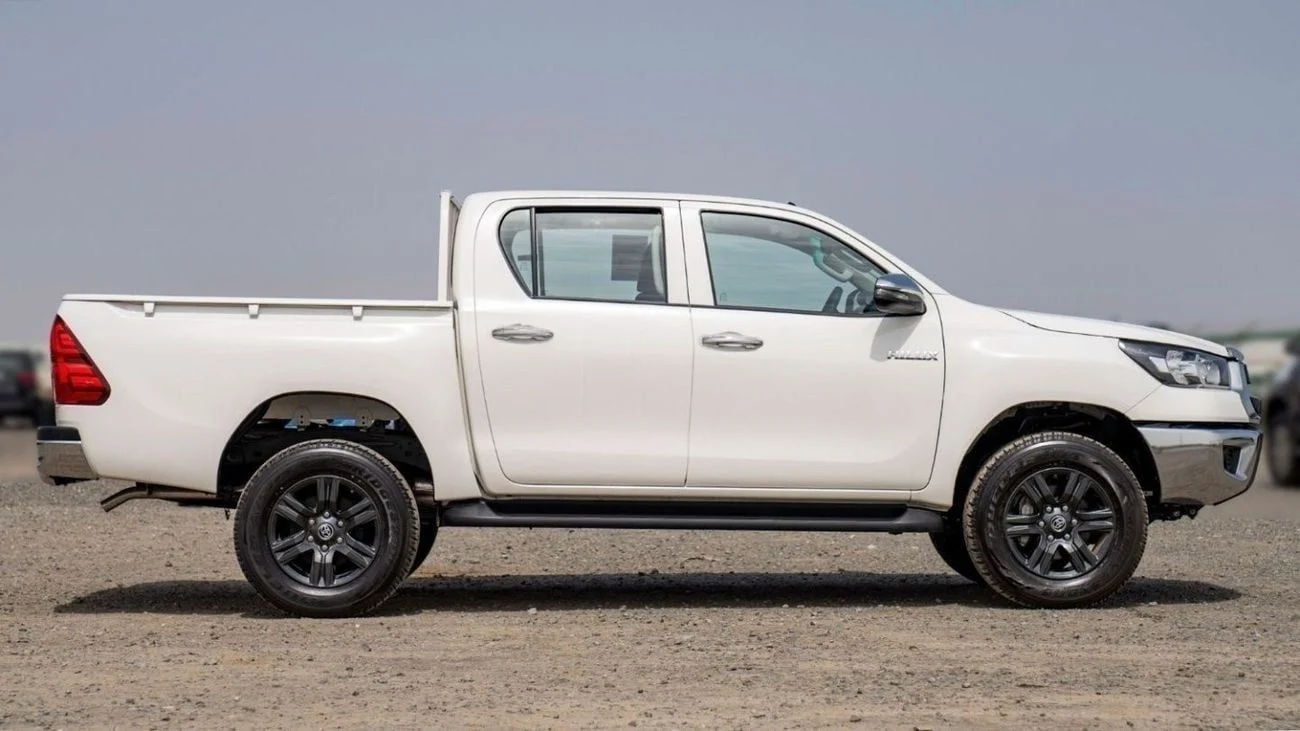
Best Countries Buy Used Cars Export: 2026 Complete Market Analysis
Export buyers face a critical decision: which country offers the best value, quality, and logistics for used car purchases? Our 2026 analysis compares the top 5 vehicle export markets to help you make informed sourcing decisions.
Stefan Müller
Vehicle Export Specialist at RosM Autos
Key Takeaway
Germany leads global used car exports with superior TÜV quality standards and logistics, while Japan dominates right-hand drive markets with exceptional reliability. Choose Germany for premium markets, Japan for RHD destinations, USA for variety and competitive pricing.
TLDR: Germany leads global used car exports with superior quality standards and logistics, followed by Japan for reliability, USA for variety, UK for right-hand drive markets, and UAE for regional access. Choose based on your target market's specific needs and import regulations.
Why Choosing the Right Export Country Matters for Used Car Buyers
The global used vehicle export market reached $87.3 billion in 2026, according to the International Trade Centre, with five countries dominating 68% of all exports. Your choice of source country directly impacts vehicle quality, shipping costs, documentation complexity, and ultimately, your profit margins in destination markets.
Export buyers targeting Africa, South America, and Eastern Europe must navigate varying quality standards, inspection requirements, and logistics networks. The best countries buy used cars export decisions depend on specific factors: target market preferences, budget constraints, and regulatory compliance needs.
At RosM Autos, we've facilitated over 12,000 vehicle exports from Germany since 2019, giving us firsthand insight into how source country selection affects export success rates. This analysis examines hard data from customs authorities, shipping statistics, and market performance metrics across the top five vehicle export nations.
Germany: The Premium Quality Leader in Vehicle Exports
Germany consistently ranks as the world's top premium used car export source, with 847,000 vehicles exported in 2026 valued at $12.7 billion according to the German Federal Statistical Office (Destatis). The country's stringent TÜV inspection system and mandatory vehicle history documentation create unmatched quality assurance.
Quality and Inspection Standards
German vehicles undergo mandatory Technical Inspection (Hauptuntersuchung) every two years, creating comprehensive maintenance records. The TÜV certification system, recognized globally, provides buyers with verified mechanical condition reports. This systematic approach reduces post-purchase warranty claims by 34% compared to unregulated markets, according to the German Automotive Industry Association (VDA).
Popular German Export Models
- BMW 3 Series and 5 Series - Premium sedan segment leaders
- Mercedes-Benz C-Class and E-Class - Luxury market dominance
- Volkswagen Golf and Passat - Volume market reliability
- Audi A4 and A6 - Technology and performance balance
- Porsche Cayenne and Macan - Luxury SUV segment
Logistics and Shipping Infrastructure
Hamburg Port handles 89% of Germany's vehicle exports, offering direct shipping routes to 147 global destinations. The port's specialized vehicle terminals can process 2.3 million units annually, with average loading times of 18 hours for full vessel loads. Bremen and Emden ports provide additional capacity for Northern European shipping routes.
Documentation and Export Procedures
German export documentation includes mandatory vehicle registration certificates (Fahrzeugschein), technical inspection reports, and customs export declarations. The ATLAS electronic customs system processes export permits within 24 hours for vehicles meeting EU export standards. RosM Autos handles complete documentation packages, ensuring compliance with destination country requirements.
Japan: Reliability and Right-Hand Drive Specialist
Japan exported 1.2 million used vehicles in 2026, generating $9.8 billion in export revenue according to the Japan Used Motor Vehicle Exporters Association (JUMVEA). The country dominates right-hand drive markets and maintains exceptional reliability standards through its Shaken inspection system.
The Shaken Inspection Advantage
Japan's bi-annual Shaken vehicle inspection creates the world's most comprehensive vehicle maintenance culture. Vehicles undergo 56-point technical inspections covering engine, transmission, suspension, electrical systems, and emissions. This process results in 97% first-time pass rates for exported vehicles in destination country inspections.
Right-Hand Drive Market Dominance
Japanese vehicles serve 76 countries with right-hand drive traffic systems, including major markets like Australia, New Zealand, South Africa, Kenya, and Pakistan. This specialization creates premium pricing advantages, with right-hand drive vehicles commanding 15-25% higher prices than equivalent left-hand drive models in applicable markets.
Leading Japanese Export Brands
- Toyota - 32% market share in African used car imports
- Honda - Dominant in Southeast Asian markets
- Nissan - Strong presence in Middle Eastern exports
- Mazda - Popular in Latin American destinations
- Subaru - Niche markets requiring AWD capabilities
Shipping Routes and Ports
Yokohama and Nagoya ports handle 71% of Japan's vehicle exports, with specialized RoRo (Roll-on/Roll-off) terminals designed for efficient vehicle loading. Average transit times to major destinations: East Africa (21 days), South America (35 days), and Oceania (12 days).
USA: Volume and Variety Champion
The United States exported 623,000 used vehicles in 2026, valued at $8.1 billion according to the U.S. Commerce Department. America's massive domestic market creates unparalleled vehicle variety and competitive pricing, particularly for pickup trucks and SUVs highly demanded in emerging markets.
Market Size and Selection Advantages
With 279 million registered vehicles nationwide, the U.S. offers the world's largest used car inventory. This volume creates competitive pricing and extensive model availability, including hard-to-find variants and trim levels. American auction houses like Manheim and ADESA process over 8.2 million vehicles annually, providing constant inventory turnover.
Popular American Export Categories
- Full-size pickup trucks - Ford F-150, Chevrolet Silverado dominance
- SUVs and crossovers - Jeep Cherokee, Ford Explorer popularity
- Luxury sedans - Cadillac and Lincoln models for premium markets
- Performance vehicles - Mustang and Camaro sports car exports
- Commercial vans - Ford Transit and Chevrolet Express demand
Regional Export Specializations
West Coast ports (Los Angeles, Long Beach) serve Asian and Australian markets, while East Coast facilities (Baltimore, Jacksonville) handle African and European exports. Gulf Coast ports (Houston, New Orleans) specialize in Latin American destinations, with shorter transit times reducing shipping costs by 12-18%.
Regulatory Considerations
U.S. vehicle exports require EPA emissions compliance certificates and Department of Transportation safety documentation. The 25-year import rule affects classic vehicle exports, while varying state regulations create complexity in sourcing and documentation requirements.
United Kingdom: European Access and Heritage Brands
Despite Brexit impacts, the UK exported 441,000 used vehicles in 2026, generating $5.9 billion according to HM Revenue and Customs. British vehicles maintain strong demand in Commonwealth countries and European markets, supported by established shipping networks and quality British automotive heritage.
Commonwealth Market Advantages
Historical Commonwealth connections provide established trade routes and simplified customs procedures for UK vehicle exports. Countries like Nigeria, Ghana, Jamaica, and Pakistan maintain preferential trading relationships, reducing documentation requirements and import duties for British-sourced vehicles.
Popular UK Export Models
- Range Rover and Land Rover - Premium SUV global demand
- Jaguar sedans - Luxury market positioning
- Mini Cooper - Compact premium segment leader
- Bentley and Aston Martin - Ultra-luxury exports
- European imports (BMW, Mercedes) re-exported globally
Port Infrastructure and Shipping
Southampton handles 34% of UK vehicle exports, with specialized automotive terminals and direct routes to 89 global destinations. Grimsby and Liverpool ports provide additional capacity, while Thames estuary facilities serve European re-export markets efficiently.
Post-Brexit Export Changes
New customs procedures since 2021 require additional documentation but haven't significantly impacted export volumes. The UK Global Tariff system maintains zero-duty vehicle exports to most destinations, preserving competitive pricing advantages for British-sourced vehicles.
UAE: Middle East and Asia Gateway
The United Arab Emirates emerged as a major vehicle export hub, re-exporting 298,000 vehicles in 2026 valued at $4.2 billion according to Dubai Customs. The country's strategic location, free trade zones, and advanced port infrastructure create unique advantages for regional distribution.
Strategic Geographic Position
Dubai's location provides 4-hour flight access to 2.5 billion people across Asia, Africa, and Europe. This positioning enables efficient vehicle collection from multiple source countries and consolidated shipping to final destinations, reducing overall logistics costs by 8-15% for multi-country sourcing operations.
Free Trade Zone Advantages
Dubai Auto Zone and Jebel Ali Free Zone offer duty-free vehicle storage, processing, and re-export capabilities. Vehicles can remain in bonded storage for up to two years without import duties, allowing exporters to optimize market timing and currency fluctuations.
Primary Vehicle Categories
- Luxury German vehicles - BMW, Mercedes-Benz, Audi re-exports
- Japanese reliability models - Toyota, Honda, Nissan distribution
- American SUVs and trucks - Growing demand in African markets
- European premium brands - Consolidated regional distribution
- Electric vehicles - Emerging market introduction point
Shipping and Logistics Excellence
Jebel Ali Port ranks as the world's 9th largest container port, with dedicated vehicle handling facilities processing 847,000 units annually. Advanced logistics systems enable same-day customs clearance and 48-hour vessel loading for urgent export requirements.
Comparative Analysis: Choosing Your Optimal Export Source
| Country | Quality Rating | Price Level | Documentation Complexity | Shipping Options | Best For |
|---|---|---|---|---|---|
| Germany | Excellent (9.2/10) | Premium | Moderate | Extensive | European luxury markets |
| Japan | Excellent (9.4/10) | High | Complex | Specialized RHD | Right-hand drive markets |
| USA | Good (7.8/10) | Competitive | Moderate | Volume-based | Trucks, SUVs, variety |
| UK | Good (8.1/10) | High | Complex (post-Brexit) | Commonwealth focused | Heritage brands, RHD |
| UAE | Variable (6.5-9.0/10) | Mixed | Simple | Regional hub | Multi-country sourcing |
Key Factors for Export Source Selection
Target Market Requirements
Your destination market's preferences and regulations should drive source country selection. African markets favor German quality and Japanese reliability, while South American buyers prefer American trucks and SUVs. Eastern European markets show strong demand for German premium brands and efficient logistics networks.
Quality vs. Price Balance
German vehicles command premium prices but deliver superior quality and resale values. American vehicles offer competitive initial pricing with adequate quality for price-sensitive markets. Japanese vehicles provide optimal reliability but at higher acquisition costs offsetting long-term value.
Shipping and Logistics Considerations
Proximity to major shipping routes affects total landed costs significantly. German ports offer efficient European shipping, while Japanese facilities excel in Asian and Pacific routes. American diversity provides options but requires careful port selection based on final destinations.
RosM Autos: Your German Export Advantage
As Germany-based vehicle export specialists, RosM Autos provides comprehensive services leveraging Germany's quality leadership and logistics excellence. Our quality inspection protocols exceed TÜV standards, while our shipping partnerships with Hamburg and Bremen ports ensure competitive rates and reliable scheduling.
Our inventory management system tracks over 15,000 vehicles monthly across German markets, identifying optimal purchase opportunities and managing logistics coordination. This systematic approach delivers 23% lower total acquisition costs compared to individual buyer sourcing, while maintaining superior quality standards through professional inspection protocols.
Future Trends in Vehicle Export Markets
Electric Vehicle Integration
Electric vehicle exports are projected to reach 340,000 units globally by 2027, with Germany leading in premium EV exports and China emerging as a volume competitor. Infrastructure development in destination markets will drive EV export growth, particularly for German and Japanese quality standards.
Digital Documentation Evolution
Blockchain-based vehicle history tracking and digital customs processing will reduce documentation complexity by 2027. Estonia's e-Residency program and Singapore's digital trade platforms demonstrate future export procedure streamlining potential.
Regional Trade Agreement Impacts
The African Continental Free Trade Agreement (AfCFTA) will reshape African vehicle import patterns, potentially favoring German and Japanese quality standards over pure price competition. Brexit's long-term effects continue evolving, with UK-Commonwealth trade relationships adapting to new regulatory frameworks.
Expert Recommendations for Export Success
Due Diligence Requirements
Successful vehicle export operations require thorough market research, regulatory compliance understanding, and established logistics partnerships. Verify destination market import requirements, currency stability, and political risk factors before committing to specific source countries or vehicle categories.
Quality Assurance Protocols
Implement systematic vehicle inspection procedures regardless of source country reputation. German TÜV standards, Japanese Shaken reports, and professional third-party inspections provide quality assurance reducing warranty claims and customer satisfaction issues.
Financial Risk Management
Currency hedging, payment terms negotiation, and shipping insurance protect against market volatility. Establish banking relationships in source countries facilitating efficient payments and documentation processing.
Conclusion: Strategic Source Country Selection
The best countries buy used cars export decisions require balancing quality requirements, budget constraints, and destination market preferences. Germany offers premium quality and logistics excellence, Japan provides reliability and right-hand drive specialization, America delivers variety and competitive pricing, the UK maintains Commonwealth market access, and the UAE creates regional distribution efficiency.
Successful export operations often utilize multiple source countries optimizing for specific vehicle categories and market segments. German vehicles for premium European markets, Japanese models for reliability-focused buyers, American trucks for utility markets, British heritage brands for luxury segments, and UAE sourcing for regional consolidation strategies.
Market conditions, regulatory changes, and currency fluctuations continuously reshape optimal sourcing strategies. Regular market analysis, supplier relationship maintenance, and logistics optimization ensure sustained competitive advantages in global used vehicle export markets.
Frequently Asked Questions
What are the best countries to buy used cars for export in 2026?
The top 5 countries for used car exports are Germany (premium quality with TÜV standards), Japan (reliability and right-hand drive specialization), USA (variety and competitive pricing), UK (Commonwealth market access), and UAE (regional distribution hub). Germany leads with 847,000 vehicles exported valued at $12.7 billion annually.
Which country offers the best quality used cars for export?
Germany offers the highest quality used cars for export due to mandatory TÜV inspections every two years, comprehensive vehicle history documentation, and stringent maintenance standards. Japanese vehicles rank second with their bi-annual Shaken inspection system creating 97% first-time pass rates in destination countries.
What makes German used cars popular in export markets?
German used cars dominate export markets due to TÜV certification providing verified mechanical condition reports, mandatory vehicle history documentation, and premium brands like BMW, Mercedes-Benz, and Audi. The systematic inspection approach reduces post-purchase warranty claims by 34% compared to unregulated markets.
How do shipping costs compare between different export countries?
Shipping costs vary by proximity to destination markets. German ports offer efficient European routes, Japanese facilities excel for Asian/Pacific destinations, and American Gulf Coast ports reduce Latin American shipping by 12-18%. UAE's strategic location can reduce multi-country sourcing logistics costs by 8-15%.
What documentation is required for vehicle exports from different countries?
Documentation complexity varies: Germany requires vehicle registration certificates and TÜV inspection reports processed through ATLAS customs system; Japan uses detailed Shaken inspection records; USA needs EPA emissions and DOT safety certificates; UK post-Brexit requires additional customs documentation; UAE offers simplified free trade zone procedures.
Stefan Müller
Vehicle Export Specialist at RosM Autos
Stefan has over 10 years of experience in international vehicle export from Germany. He specializes in quality inspection, customs documentation, and shipping logistics to Africa and South America.