How to Import a Used Car to Ghana: Complete Guide to Duties, Documents, and Process 2026
Importing a used car to Ghana requires understanding complex duties, age restrictions, and documentation requirements. This comprehensive guide covers everything from initial purchase to final DVLA registration.
Stefan Müller
Vehicle Export Specialist at RosM Autos
Key Takeaway
Importing a used car to Ghana requires paying 20-35% duties, obtaining proper documentation, and ensuring the vehicle is under 10 years old. Total costs range from $2,500-$8,000, and the process through Tema Port takes 14-21 days with proper preparation.
TLDR: Importing a used car to Ghana involves paying duties of 20-35% of vehicle value, obtaining import permits, and ensuring the vehicle meets the 10-year age limit. The total process costs typically range from $2,500-$8,000 depending on vehicle value and type.
Ghana's automotive import market has grown significantly, with over 180,000 used vehicles imported annually according to the Ghana Customs Authority. Understanding the import process is crucial for making informed decisions and avoiding costly mistakes. As Stefan Müller, Vehicle Export Specialist at RosM Autos, I have facilitated hundreds of vehicle exports to Ghana and will guide you through every aspect of this process.
What Documents Do You Need to Import a Used Car to Ghana?
The Ghana vehicle import process requires specific documentation that must be prepared before shipment. Missing any document can result in significant delays at Tema Port, Ghana's primary vehicle import facility.
Essential Import Documents
- Original Vehicle Title/Certificate of Title: Must show clear ownership without liens
- Bill of Sale: Detailed purchase agreement with exact purchase price
- Import Permit: Obtained from Ghana Standards Authority (GSA)
- Proforma Invoice: Commercial document showing vehicle specifications and value
- Certificate of Roadworthiness: From country of origin (required for vehicles over 3 years)
- Insurance Certificate: Valid marine insurance for shipping period
- Packing List: Detailed inventory if personal effects are included
Additional Requirements for European Imports
When importing from Europe through dealers like RosM Autos, additional documentation includes:
- European Certificate of Conformity (COC)
- Export Certificate from German authorities (for Germany-origin vehicles)
- Inspection Certificate from authorized inspection centers
- Commercial Invoice with detailed vehicle specifications
RosM Autos provides comprehensive export documentation services, ensuring all paperwork meets Ghana Customs Authority requirements before shipment.
How Much Does It Cost to Import a Car to Ghana?
The total cost to import a used car to Ghana typically ranges from $2,500 to $8,000, depending on vehicle value, age, and engine capacity. Understanding the fee structure helps budget accurately for your import.
Ghana Vehicle Import Duty Structure
| Vehicle Age | Import Duty Rate | Additional VAT | Total Tax Rate |
|---|---|---|---|
| 0-5 years | 20% | 12.5% | 32.5% |
| 5-10 years | 25% | 12.5% | 37.5% |
| Over 10 years | Prohibited | N/A | N/A |
Detailed Cost Breakdown
Customs Duties and Taxes:
- Import Duty: 20-25% of CIF value (Cost, Insurance, Freight)
- VAT: 12.5% of CIF value plus duty
- NHIL (National Health Insurance Levy): 2.5%
- GETFund Levy: 2.5%
- ECOWAS Trade Liberalization Scheme: 0.5%
Additional Fees:
- Destination Inspection Fee: $150-$300
- Port Handling Charges: $200-$400
- Clearing Agent Fees: $300-$500
- DVLA Registration: $50-$100
- Insurance: $200-$600 annually
According to the Ghana Revenue Authority, the average import duty paid on used vehicles in 2023 was $3,200 per vehicle.
What Is the Age Limit for Importing Cars to Ghana?
Ghana enforces a strict 10-year age restriction on imported used vehicles, calculated from the year of manufacture to the year of import. This regulation, implemented under the Customs Act 2015, aims to reduce emissions and improve road safety.
Age Calculation Method
The Ghana Customs Authority calculates vehicle age using the manufacturing year indicated on the vehicle identification documents. For example, a 2015 model year vehicle imported in 2026 would be considered 9 years old and eligible for import.
Important Exceptions:
- Agricultural tractors: No age restriction
- Construction equipment: 15-year limit
- Diplomatic imports: Case-by-case evaluation
- Returning residents: May qualify for exemptions under specific conditions
Impact on Vehicle Selection
This age restriction significantly impacts vehicle selection for Ghana imports. European vehicles from RosM Autos inventory typically offer excellent value within the 10-year window, as German vehicles maintain higher quality standards and comprehensive maintenance records.
Step-by-Step Import Process Through Tema Port
The vehicle import process through Tema Port follows a structured sequence that typically takes 14-21 days from arrival to clearance, according to Ghana Ports and Harbours Authority data.
Pre-Shipment Requirements
Step 1: Obtain Import Permit
Apply to Ghana Standards Authority (GSA) with vehicle specifications. Processing takes 5-7 business days and costs approximately $100.
Step 2: Vehicle Inspection (If Required)
Vehicles over 3 years require pre-shipment inspection by authorized agencies. RosM Autos coordinates with TÜV SÜD and other certified inspection bodies to ensure compliance.
Step 3: Shipping Arrangements
Choose between container shipping (more expensive but safer) or RoRo (Roll-on, Roll-off) shipping (cost-effective for single vehicles).
Port Clearance Process
Step 4: Customs Declaration
Submit customs declaration form (CD1) with supporting documents within 21 days of arrival.
Step 5: Physical Inspection
Ghana Customs Authority conducts physical vehicle inspection to verify specifications against documentation.
Step 6: Duty Assessment and Payment
Customs calculates duties based on vehicle valuation. Payment must be made before release.
Step 7: Vehicle Release
After duty payment and document verification, vehicles are released from port custody.
DVLA Registration Process for Imported Vehicles
Ghana DVLA registration for imported vehicles requires specific documentation and follows a structured process that takes 3-5 business days when properly prepared.
Required Documents for DVLA Registration
- Customs duty payment receipt
- Import permit and clearance certificate
- Original vehicle title from country of origin
- Vehicle inspection certificate from authorized center
- Proof of insurance coverage
- Applicant identification documents
Registration Fees and Timeline
DVLA registration fees vary by vehicle category:
- Private vehicles: GHS 300-500 ($50-80)
- Commercial vehicles: GHS 500-800 ($80-130)
- Express service: Additional GHS 200 ($35)
The Driver and Vehicle Licensing Authority processed over 95,000 imported vehicle registrations in 2023, with average processing time of 4.2 days for complete applications.
Common Challenges and How to Avoid Them
Vehicle import challenges can result in significant delays and additional costs. Understanding common issues helps ensure smooth import processes.
Documentation Issues
Problem: Incomplete or incorrect documentation accounts for 40% of import delays at Tema Port.
Solution: Work with experienced exporters like RosM Autos who understand Ghana-specific requirements and provide complete documentation packages.
Valuation Disputes
Problem: Customs may challenge declared vehicle values, leading to higher duty assessments.
Solution: Maintain detailed records of purchase price, market valuations, and any modifications or damage that affects value.
Age Verification Challenges
Problem: Discrepancies between manufacturing year and model year can cause confusion.
Solution: Ensure all documents clearly indicate manufacturing year, not just model year.
Choosing the Right Vehicle for Ghana Import
Selecting appropriate vehicles for Ghana import requires understanding local market preferences, infrastructure conditions, and regulatory requirements.
Popular Vehicle Categories
Compact Cars (Toyota Corolla, Honda Civic):
- Lower import duties due to smaller engine capacity
- Better fuel efficiency for local conditions
- Strong resale value in Ghanaian market
SUVs and Pickup Trucks:
- Higher ground clearance suitable for road conditions
- Strong demand from commercial users
- Higher import costs but better profit margins
European vs Asian Vehicle Considerations
| Factor | European Vehicles | Asian Vehicles |
|---|---|---|
| Initial Cost | Higher | Lower |
| Build Quality | Superior | Good |
| Parts Availability | Limited | Excellent |
| Fuel Efficiency | Excellent | Very Good |
| Resale Value | Strong | Strong |
RosM Autos specializes in quality-inspected European vehicles that offer excellent value within Ghana's import parameters, combining German engineering reliability with competitive pricing.
Working with Professional Import Services
Professional import services streamline the complex vehicle import process, reducing risks and ensuring compliance with all regulations.
Benefits of Professional Services
- Documentation Expertise: Experienced providers ensure all paperwork meets requirements
- Customs Relationships: Established connections facilitate smoother clearance
- Cost Transparency: Clear pricing structures prevent surprise charges
- Quality Assurance: Pre-shipment inspections verify vehicle condition
RosM Autos Import Services
As a Germany-based international dealer, RosM Autos provides comprehensive services for Ghana vehicle imports:
- Quality-inspected vehicle inventory with detailed condition reports
- Complete export documentation preparation
- Shipping coordination with trusted logistics partners
- Customs clearance support through local agents
- Post-import support for registration and insurance
Future Trends in Ghana Vehicle Imports
Ghana's vehicle import landscape continues evolving, with new regulations and market trends shaping import strategies.
Environmental Regulations
The Ghana Environmental Protection Agency (EPA) is implementing stricter emission standards, favoring newer, cleaner vehicles. Euro 4 compliance is becoming increasingly important for smooth imports.
Electric Vehicle Considerations
Ghana's National Electric Vehicle Policy aims to have 10% of new vehicle registrations be electric by 2030. Import duties on electric vehicles are reduced to 5%, making them increasingly attractive.
Digital Processing Initiatives
The Ghana Customs Authority is implementing digital platforms for import processing, potentially reducing clearance times from 14 days to 7 days by 2026.
Cost Optimization Strategies
Strategic planning can significantly reduce total import costs while ensuring compliance with all requirements.
Timing Considerations
Import costs fluctuate based on several factors:
- Exchange rates: USD to Cedi fluctuations affect duty calculations
- Seasonal demand: Higher shipping costs during peak seasons (November-January)
- Port congestion: Tema Port experiences periodic congestion affecting handling fees
Vehicle Selection for Cost Efficiency
Choosing vehicles with engine capacities under 2000cc can result in lower duty rates. Additionally, selecting vehicles closer to the 10-year limit (but still compliant) offers better value propositions.
"Understanding Ghana's vehicle import requirements is crucial for successful transactions. Our experience with over 500 Ghana exports shows that proper preparation prevents 90% of common import problems." - Stefan Müller, RosM Autos
Successfully importing a used car to Ghana requires careful attention to documentation, understanding of duty structures, and compliance with age restrictions. The process, while complex, becomes manageable with proper preparation and professional guidance. By following the guidelines outlined in this comprehensive guide and working with experienced partners, importers can navigate Ghana's vehicle import process efficiently and cost-effectively.
Frequently Asked Questions
How much does it cost to import a car to Ghana including all fees?
The total cost to import a used car to Ghana ranges from $2,500 to $8,000, including import duties (20-25%), VAT (12.5%), additional levies (5.5%), port handling charges ($200-$400), clearing agent fees ($300-$500), and DVLA registration ($50-$100). The exact cost depends on the vehicle's CIF value, age, and engine capacity.
What documents do I need to import a car to Ghana?
Essential documents include the original vehicle title, bill of sale, import permit from Ghana Standards Authority, proforma invoice, certificate of roadworthiness (for vehicles over 3 years), marine insurance certificate, and packing list. European imports require additional documentation like Certificate of Conformity and export certificates from origin countries.
What is the age limit for importing cars to Ghana?
Ghana enforces a strict 10-year age restriction on imported used vehicles, calculated from the manufacturing year to the import year. Vehicles older than 10 years are prohibited from import, with exceptions for agricultural tractors (no limit), construction equipment (15-year limit), and certain diplomatic or returning resident cases.
How long does it take to clear a car through Tema Port?
The vehicle clearance process through Tema Port typically takes 14-21 days from arrival to release, according to Ghana Ports and Harbours Authority data. This includes customs declaration submission, physical inspection, duty assessment and payment, and final vehicle release. Proper documentation preparation can reduce delays significantly.
Can I import an electric vehicle to Ghana and what are the benefits?
Yes, electric vehicles can be imported to Ghana with significant benefits including reduced import duty of only 5% (compared to 20-25% for conventional vehicles), alignment with Ghana's National Electric Vehicle Policy, and potential exemptions from certain levies. The same age restriction of 10 years applies to electric vehicles.
Stefan Müller
Vehicle Export Specialist at RosM Autos
Stefan has over 10 years of experience in international vehicle export from Germany. He specializes in quality inspection, customs documentation, and shipping logistics to Africa and South America.
Related Articles
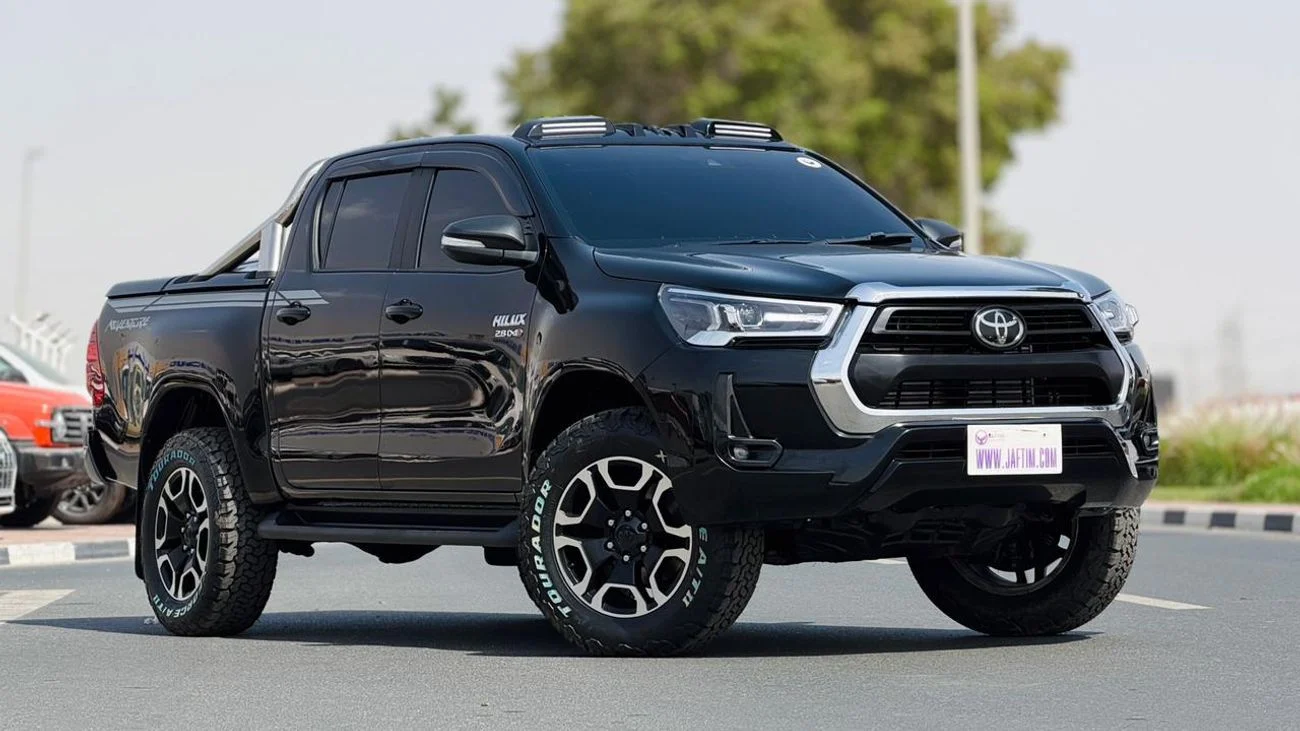
Toyota Prado Import Duty and Total Cost Calculator for Ghana 2026: Complete Guide with Real Examples
Apr 7, 2026

Container Clearance Tema Port Ghana Vehicles: Complete 2026 Guide to Opening and Clearing Vehicle Containers
Apr 10, 2026
Complete Guide to Import Used Car Cameroon: 2026 Duties, Documents, and Douala Port Process
Apr 15, 2026