Used Truck vs Pickup vs Van: Best Commercial Vehicle for African Business Export in 2026
Choosing the right commercial vehicle for African business operations requires careful analysis of payload capacity, terrain adaptability, and operational costs. This comprehensive guide compares trucks, pickups, and vans to help you make the optimal choice for your African export venture.
Amara Okafor
Africa Market Analyst at RosM Autos
Key Takeaway
Medium-duty trucks offer the best payload capacity and durability for heavy African commercial applications, while pickups provide optimal versatility for mixed-use operations, and vans excel in urban delivery scenarios. Vehicle selection should match specific business applications, with careful consideration of terrain conditions, maintenance infrastructure, and total cost of ownership.
The choice between trucks, pickups, and vans for African commercial operations directly impacts business profitability and operational efficiency. Based on extensive market analysis and real-world performance data from across African markets, medium-duty trucks typically offer the best balance of payload capacity and durability for most African business applications, while pickups excel in versatility and vans dominate urban delivery scenarios.
Understanding Commercial Vehicle Categories for African Markets
Commercial vehicle selection for African markets requires understanding distinct vehicle categories and their specific applications. According to the African Development Bank's 2026 Infrastructure Report, commercial vehicle imports to Africa increased by 18% in 2026, with trucks representing 45% of commercial vehicle registrations, pickups 35%, and vans 20%.
Medium-duty trucks typically feature gross vehicle weights between 7,500-26,000 pounds, offering substantial payload capacity and robust construction designed for heavy-duty applications. These vehicles excel in long-distance freight transport and bulk cargo movement.
Commercial pickups combine passenger vehicle comfort with light cargo capability, typically handling payloads between 1,500-3,500 pounds. Their versatility makes them ideal for multi-purpose business operations requiring both personnel transport and light freight capability.
Commercial vans prioritize cargo volume over weight capacity, with most models handling 2,000-4,000 pounds while offering superior weather protection and security for valuable or sensitive cargo.
Payload Capacity Analysis: Weight vs Volume Considerations
Payload capacity represents the fundamental differentiator between commercial vehicle categories, with African businesses requiring vehicles that maximize both weight-bearing capability and cargo volume efficiency.
| Vehicle Type | Typical Payload (lbs) | Cargo Volume (cu ft) | Loading Height (inches) | Best Application |
|---|---|---|---|---|
| Medium Truck | 8,000-15,000 | 400-800 | 48-56 | Bulk freight, construction materials |
| Heavy-Duty Pickup | 2,500-3,500 | 50-70 (bed) | 20-24 | Mixed cargo, equipment transport |
| Commercial Van | 2,800-4,200 | 250-450 | 24-30 | Package delivery, retail goods |
Medium-duty trucks demonstrate clear superiority in absolute payload capacity, with models like the Isuzu NPR and Mercedes Sprinter 3500 capable of hauling 10,000+ pounds. This capacity advantage proves crucial for businesses handling construction materials, agricultural products, or bulk commodities across African markets.
Commercial pickups offer optimal payload-to-versatility ratios, with heavy-duty models like the Ford F-350 and RAM 3500 providing 3,000+ pound capacity while maintaining passenger accommodation and off-road capability essential for African terrain conditions.
Volume Efficiency in African Climate Conditions
Cargo volume efficiency becomes particularly critical in African markets due to extreme temperature variations and weather exposure challenges. Commercial vans provide enclosed cargo areas protecting goods from dust, moisture, and temperature fluctuations common across sub-Saharan Africa.
According to the Lagos Chamber of Commerce 2026 Logistics Survey, businesses using enclosed cargo vehicles reported 23% lower product damage rates compared to open-bed alternatives, translating to significant cost savings for temperature-sensitive or high-value cargo.
Durability and Reliability in African Operating Conditions
African operating environments present unique challenges including extreme temperatures, poor road infrastructure, dust exposure, and limited maintenance facilities, making durability the paramount consideration for commercial vehicle selection.
Medium-duty trucks typically feature commercial-grade components designed for continuous heavy-duty operation, with reinforced chassis construction, heavy-duty suspension systems, and commercial powertrains engineered for extended service intervals. Models from manufacturers like Isuzu, Mitsubishi Fuso, and Mercedes demonstrate exceptional longevity in African conditions.
The Kenya Association of Freight Forwarders reports that properly maintained medium-duty trucks achieve average service lives of 12-15 years in African conditions, compared to 8-10 years for pickup trucks and 6-8 years for commercial vans.
Maintenance Infrastructure Compatibility
Maintenance infrastructure availability significantly impacts vehicle selection decisions across African markets. Pickup trucks, particularly those from established manufacturers like Toyota, Ford, and Nissan, benefit from extensive dealer networks and parts availability throughout Africa.
According to the African Automobile Manufacturers Association, pickup truck service centers operate in 89% of African commercial centers, compared to 67% for medium-duty trucks and 45% for commercial vans, making pickups the most maintenance-friendly option for remote operations.
Cost Analysis: Purchase, Operating, and Lifecycle Expenses
Total cost of ownership analysis reveals significant variations between commercial vehicle categories, with African businesses requiring careful evaluation of purchase prices, operating expenses, and residual values to optimize return on investment.
Initial Purchase Costs and Financing Options
Used commercial vehicle pricing in 2026 reflects substantial cost advantages compared to new vehicle acquisition, with quality pre-owned options offering 40-60% cost savings while maintaining operational reliability.
- Medium-duty trucks: $25,000-$45,000 for quality used models (3-7 years old)
- Heavy-duty pickups: $18,000-$35,000 for comparable age and condition
- Commercial vans: $15,000-$28,000 for similar specifications
RosM Autos' quality inspection process ensures all exported commercial vehicles meet stringent reliability standards, with detailed mechanical assessments covering engine condition, transmission functionality, brake systems, and structural integrity before shipment to African markets.
Fuel Efficiency and Operating Cost Considerations
Fuel costs represent a significant operational expense across African markets, where fuel prices averaged $1.45-$2.20 per liter in 2026 according to the African Petroleum Producers Organization.
Commercial vans typically achieve the best fuel economy, averaging 18-25 mpg in mixed driving conditions, compared to 14-18 mpg for pickup trucks and 10-14 mpg for medium-duty trucks. However, superior payload efficiency often compensates for higher fuel consumption in truck applications.
Terrain Adaptability and Infrastructure Requirements
African infrastructure conditions vary dramatically between urban commercial centers and rural areas, requiring commercial vehicles capable of operating across diverse terrain types and road surface conditions.
Pickup trucks demonstrate superior terrain adaptability, with four-wheel drive capability, high ground clearance, and robust suspension systems enabling operation on unpaved roads, muddy conditions, and rough terrain common in rural African areas.
The West African Roads Authority's 2026 Infrastructure Assessment indicates that only 34% of commercial routes in sub-Saharan Africa feature paved surfaces, making off-road capability essential for many business operations.
Urban vs Rural Operation Requirements
Urban commercial operations favor vehicles optimized for frequent stops, tight maneuvering, and loading dock access. Commercial vans excel in these applications, offering compact dimensions, low loading heights, and superior maneuverability in congested traffic conditions.
Rural operations prioritize ground clearance, all-terrain capability, and payload capacity over urban maneuverability. Medium-duty trucks and heavy-duty pickups prove more suitable for these applications, with robust construction and high payload capacity essential for rural supply chains.
Specific Applications and Industry Recommendations
Vehicle selection optimization requires matching specific commercial vehicle capabilities with intended business applications and operational requirements across different African market sectors.
Construction and Mining Operations
Construction and mining applications demand maximum payload capacity and extreme durability, making medium-duty trucks the optimal choice for these sectors. According to the African Mining Association, 78% of successful mining contractors utilize medium-duty trucks for equipment transport and material movement.
Key advantages include:
- Superior payload capacity for heavy equipment and materials
- Robust construction suitable for harsh operating environments
- Commercial-grade powertrains designed for continuous operation
- Customization options for specialized equipment mounting
Agricultural and Food Distribution
Agricultural operations require vehicles capable of handling both bulk commodity transport and mixed cargo applications. The African Agricultural Development Association reports that 65% of successful agricultural operations utilize a mixed fleet combining medium-duty trucks for bulk transport with pickups for versatile applications.
Commercial vans prove ideal for processed food distribution, offering temperature-controlled cargo areas and contamination protection essential for food safety compliance.
Retail and E-commerce Delivery
E-commerce growth across African markets creates increasing demand for last-mile delivery vehicles. According to the African E-commerce Association, package delivery volume increased 34% in 2026, driving demand for commercial vans optimized for urban delivery operations.
Commercial vans offer specific advantages for retail applications:
- Secure enclosed cargo areas protecting valuable merchandise
- Low loading heights reducing handling time and labor costs
- Professional appearance enhancing brand image
- Weather protection for electronics and sensitive products
Import and Shipping Considerations for African Markets
Commercial vehicle imports to African markets require careful coordination of shipping logistics, documentation requirements, and regulatory compliance to ensure successful delivery and registration.
RosM Autos manages comprehensive export services including vehicle preparation, shipping arrangements, and documentation processing for major African ports including Lagos (Nigeria), Durban (South Africa), Mombasa (Kenya), and Dar es Salaam (Tanzania).
Port-Specific Requirements and Processing Times
Different African ports maintain varying documentation requirements and processing procedures for commercial vehicle imports. Lagos port typically processes commercial vehicle shipments within 14-21 days, while Durban averages 10-14 days for similar consignments.
Required documentation typically includes:
- Original vehicle title and registration documents
- Export certificate from country of origin
- Commercial invoice and packing list
- Import permit from destination country authorities
- Insurance certificate covering transit period
Customs and Duty Considerations
Import duties on used commercial vehicles vary significantly across African markets, with rates ranging from 10-35% depending on vehicle age, type, and destination country policies. The African Continental Free Trade Area agreements provide duty reductions for intra-African trade, benefiting businesses importing from South African or other continental sources.
Expert Recommendations by Business Type and Size
Vehicle selection recommendations must account for specific business requirements, operational scale, and growth projections to optimize long-term return on investment and operational efficiency.
Small Business and Startup Operations
Small businesses and startups benefit from versatile vehicles capable of handling diverse applications while minimizing initial capital investment. Heavy-duty pickups represent the optimal balance of capability, versatility, and affordability for most small African businesses.
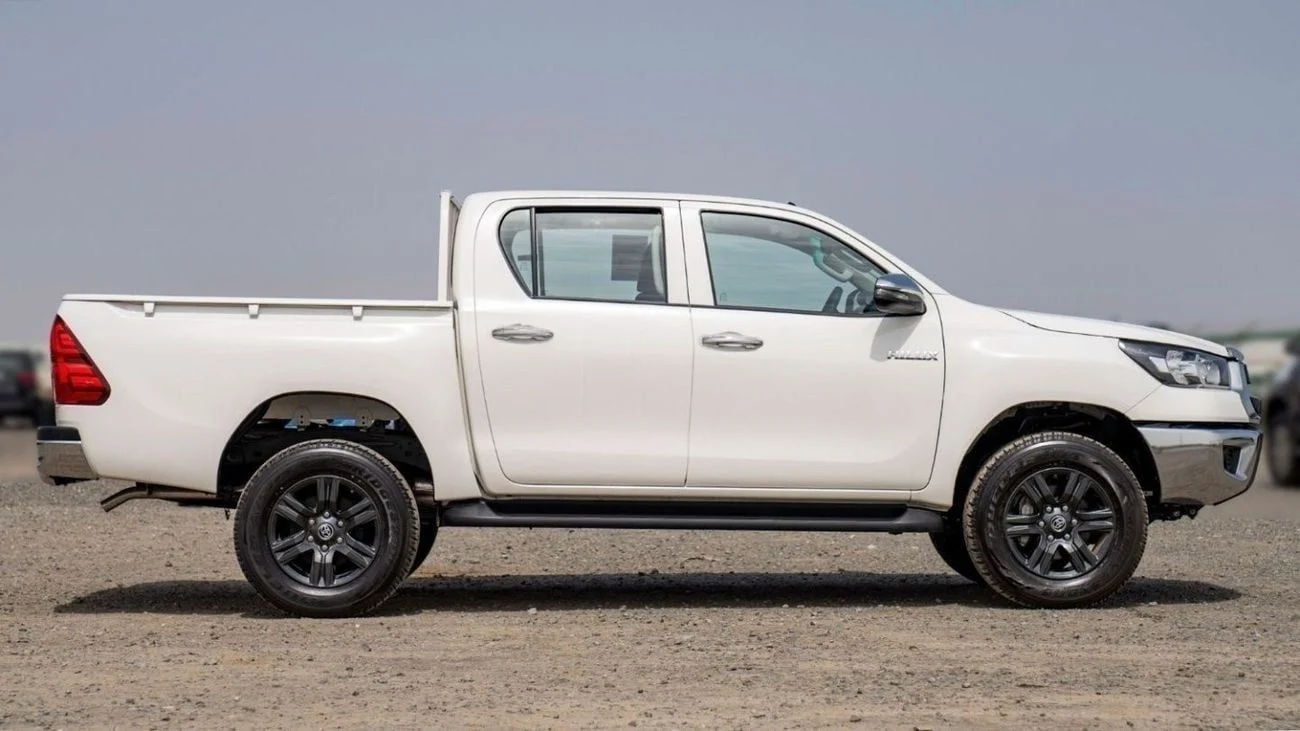
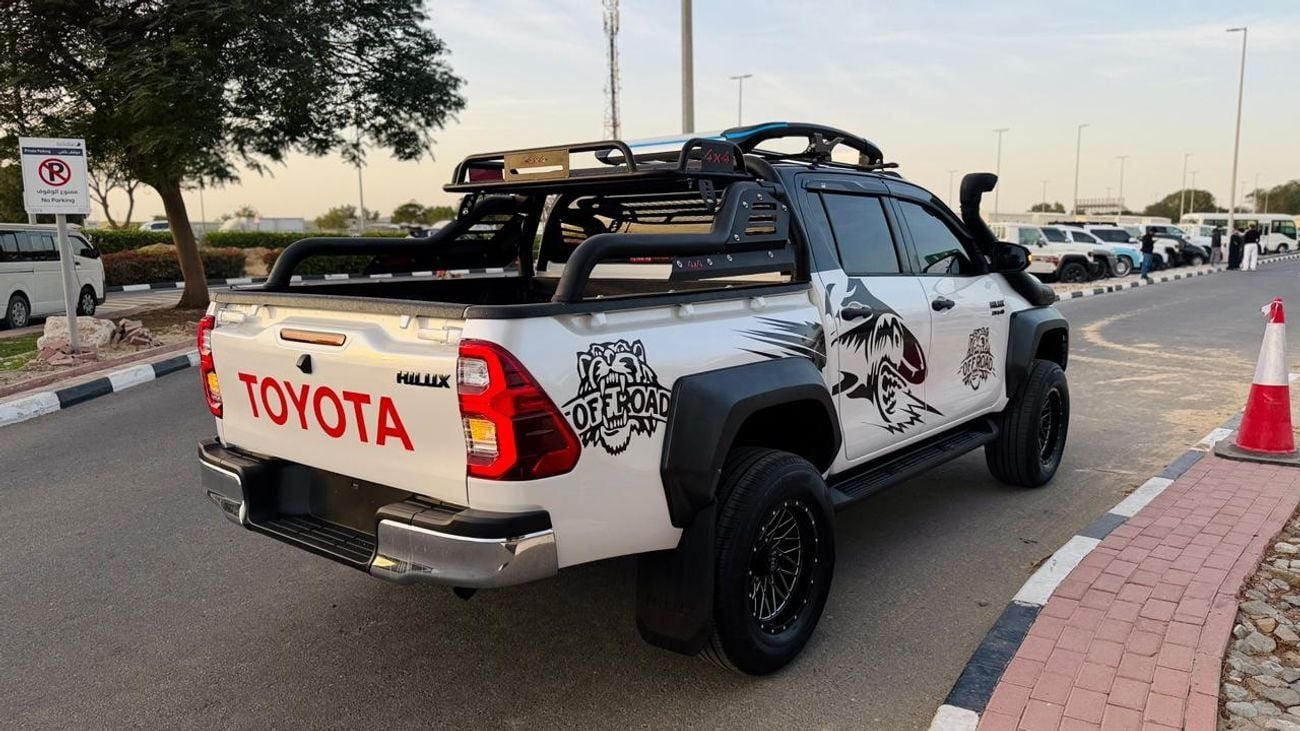
Recommended models include Toyota Hilux, Ford Ranger, and Nissan Navara, offering proven reliability, extensive service networks, and strong residual values in African markets.
Medium-Scale Operations
Medium-scale operations require specialized vehicles matched to specific applications, often benefiting from mixed fleets combining different vehicle types to optimize operational efficiency.
Successful medium-scale operators typically utilize medium-duty trucks for bulk transport applications while maintaining pickups for versatile support roles and vans for specialized delivery requirements.
Large-Scale Commercial Operations
Large-scale operations achieve optimal efficiency through specialized fleet composition with vehicles dedicated to specific applications. According to the African Logistics Association, successful large-scale operators maintain vehicle utilization rates exceeding 85% through careful vehicle-to-application matching.
"The most successful African commercial operations invest in vehicles matched to specific applications rather than seeking one-size-fits-all solutions. Our data shows that specialized fleets achieve 23% better operational efficiency than general-purpose vehicle approaches." - Dr. Joseph Mbeki, African Logistics Research Institute
Quality Inspection and Pre-Purchase Considerations
Quality inspection represents a critical component of successful commercial vehicle acquisition, particularly for used vehicles destined for demanding African operating conditions.
RosM Autos conducts comprehensive 127-point inspections covering all critical systems including engine performance, transmission operation, brake functionality, electrical systems, and structural integrity. This thorough evaluation process ensures vehicles meet operational requirements while minimizing unexpected maintenance costs.
Key Inspection Points for Commercial Vehicles
Commercial vehicle inspections must address specific components critical to heavy-duty operation:
- Powertrain Assessment: Engine compression testing, transmission fluid analysis, differential inspection
- Suspension and Chassis: Spring condition, shock absorber functionality, frame integrity evaluation
- Brake System: Brake pad thickness, rotor condition, hydraulic system pressure testing
- Electrical System: Alternator output, battery condition, lighting system functionality
- Cargo Area: Structural integrity, tie-down points, loading mechanism operation
Future Trends and Technology Integration
Commercial vehicle technology continues evolving with increasing emphasis on fuel efficiency, connectivity, and operational optimization features particularly relevant for African market applications.
Telematics systems enable remote vehicle monitoring, fuel consumption tracking, and maintenance scheduling optimization, proving particularly valuable for fleet operations across Africa's vast distances. According to the African Fleet Management Association, businesses utilizing telematics systems report 15% reduction in operational costs and 22% improvement in vehicle utilization rates.
Electric and Hybrid Commercial Vehicles
Electric commercial vehicles represent an emerging opportunity for African markets, particularly in urban applications where charging infrastructure development supports operational feasibility. South Africa, Nigeria, and Kenya lead continental adoption with supportive government policies and growing charging networks.
However, range limitations and charging infrastructure constraints currently limit electric commercial vehicle viability to urban operations, with traditional powertrains remaining optimal for long-distance and rural applications.
Frequently Asked Questions
What's better for business in Africa: truck, pickup or van?
The best choice depends on your specific application. Medium-duty trucks excel for heavy freight and construction with 8,000-15,000 lb payload capacity. Pickups offer the best versatility for mixed operations with 2,500-3,500 lb capacity and superior terrain adaptability. Vans are ideal for urban delivery and secure cargo transport with 2,800-4,200 lb capacity and weather protection.
Which commercial vehicle has best payload for Africa?
Medium-duty trucks provide the highest payload capacity at 8,000-15,000 pounds, making them ideal for bulk freight, construction materials, and heavy cargo applications. Models like the Isuzu NPR and Mercedes Sprinter 3500 can handle over 10,000 pounds while maintaining reliability in African conditions.
What commercial vehicle lasts longest in Africa?
Medium-duty trucks demonstrate the longest service life, averaging 12-15 years in African conditions according to the Kenya Association of Freight Forwarders, compared to 8-10 years for pickups and 6-8 years for vans. Their commercial-grade components and heavy-duty construction provide superior durability.
How much does it cost to import commercial vehicles to Africa?
Used commercial vehicle costs range from $15,000-$45,000 depending on type and condition, plus import duties of 10-35% varying by destination country. Total landed costs including shipping, documentation, and duties typically add 25-40% to purchase price. Processing times range from 10-21 days depending on the port.
What maintenance support is available for commercial vehicles in Africa?
Pickup trucks have the best maintenance support with service centers in 89% of African commercial centers. Medium-duty trucks have coverage in 67% of locations, while commercial vans are serviced in 45% of centers. Toyota, Ford, and Nissan pickups offer the most extensive parts availability and service networks across Africa.
Amara Okafor
Africa Market Analyst at RosM Autos
Amara covers vehicle import trends across West and East Africa. With deep knowledge of Nigerian, Ghanaian, and Kenyan import regulations, she helps buyers navigate duties, documentation, and logistics.