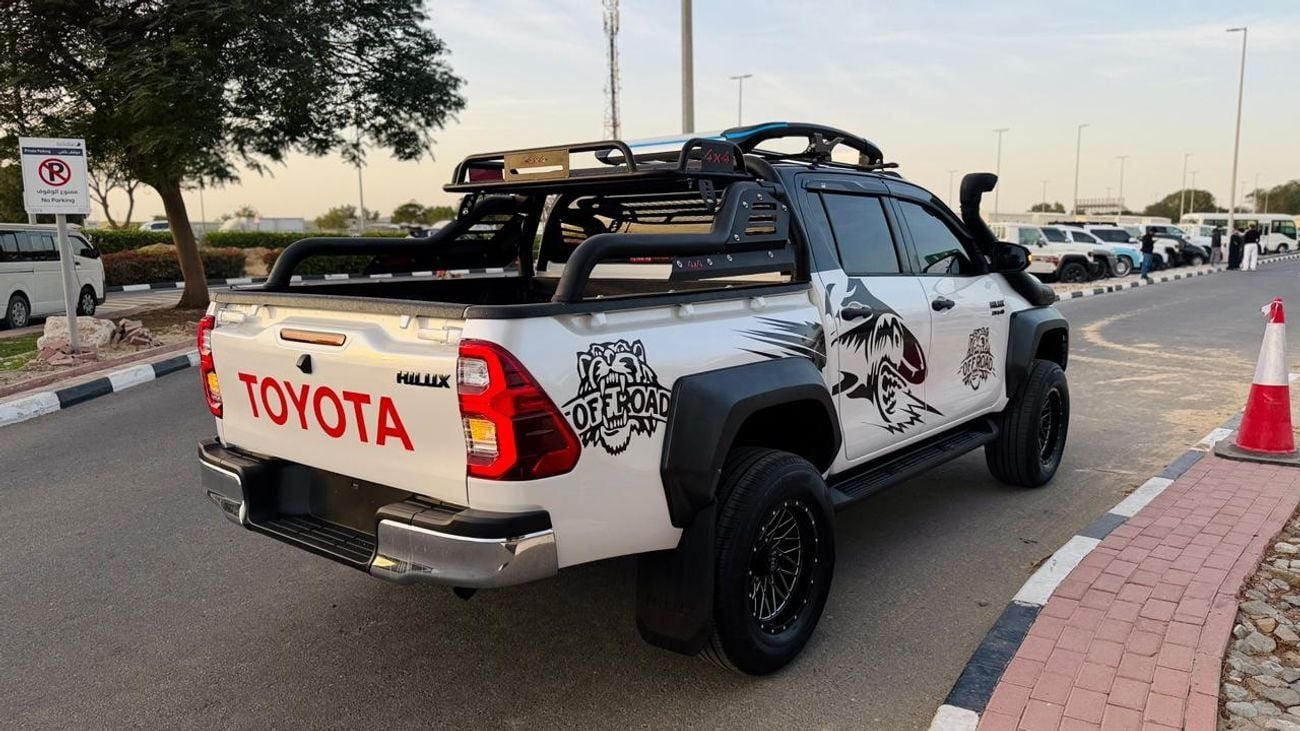
Vehicle Spare Parts Availability in Africa: German vs Japanese Cars - Complete 2026 Guide
Vehicle spare parts availability in Africa varies significantly between German and Japanese manufacturers. This comprehensive guide examines spare parts networks, costs, and accessibility across major African markets to help importers make informed decisions.
Amara Okafor
Africa Market Analyst at RosM Autos
Key Takeaway
Japanese vehicles maintain superior spare parts availability across Africa through extensive networks and affordability, while German cars offer premium parts with growing accessibility. Both serve different market segments effectively when properly imported and documented.
TLDR: Japanese vehicles maintain superior spare parts availability across Africa through extensive dealer networks and aftermarket support, while German cars offer premium parts with growing accessibility. Both options serve different market segments effectively when imported through proper channels.
Understanding Vehicle Spare Parts Availability in Africa
Vehicle spare parts availability in Africa directly impacts total ownership costs and vehicle reliability for end users. Japanese manufacturers maintain approximately 65% market share across sub-Saharan Africa, primarily due to their extensive spare parts networks and affordable aftermarket components. German vehicles, representing about 18% of the market according to the Africa Automotive Industry Report 2026, offer premium quality parts but face distribution challenges in remote areas.
The spare parts landscape across Africa operates through three primary channels: authorized dealer networks, independent importers, and local manufacturing partnerships. Understanding these distribution mechanisms is crucial for vehicle importers working with companies like RosM Autos, where comprehensive pre-export vehicle inspections help identify potential parts compatibility issues before shipping to African markets.
Market Dynamics and Regional Variations
Spare parts availability varies significantly across African regions. West African markets, particularly Nigeria and Ghana, maintain robust networks for both German and Japanese vehicles due to high import volumes through Lagos and Tema ports. East African markets favor Japanese brands due to proximity to Asian supply chains, while Southern Africa shows stronger German vehicle presence due to historical ties and local assembly operations.
German Car Parts Availability Across African Markets
German car parts in Africa are available through authorized BMW, Mercedes-Benz, Volkswagen, and Audi dealerships in major cities, with aftermarket suppliers filling gaps in smaller markets. According to the German Automotive Parts Exporters Association (GAPEA), German parts exports to Africa increased 23% in 2026, reaching $1.2 billion annually.
Major German automotive brands maintain official service centers in key African cities:
- BMW: 47 authorized service centers across 12 African countries
- Mercedes-Benz: 52 service points in 15 countries
- Volkswagen: 68 dealerships across 18 countries
- Audi: 31 service centers in 9 countries
These official networks ensure genuine parts availability but often at premium prices. Independent German parts suppliers have established strong footholds in countries like South Africa, Kenya, and Morocco, offering competitive alternatives for common wear items like brake pads, filters, and electrical components.
Challenges with German Parts Distribution
German spare parts face several distribution challenges across Africa. Import duties on automotive parts range from 15-35% depending on the country and part category. Complex customs procedures at ports like Durban, Mombasa, and Abidjan can delay shipments by 2-4 weeks. Additionally, genuine German parts often require specific technical expertise for installation, limiting their accessibility in rural areas.
RosM Autos addresses these challenges by providing detailed technical documentation with every German vehicle export, including parts compatibility charts and service manuals translated into local languages. This approach helps African importers establish reliable service networks for their customers.
Japanese Car Parts Network and Accessibility
Japanese car parts Africa networks represent the gold standard for accessibility and affordability across the continent. Toyota, Honda, Nissan, and Mazda maintain extensive distribution networks that reach both urban centers and remote locations. According to the Japan Automobile Manufacturers Association (JAMA), Japanese parts exports to Africa totaled $2.8 billion in 2026, nearly triple the German figure.
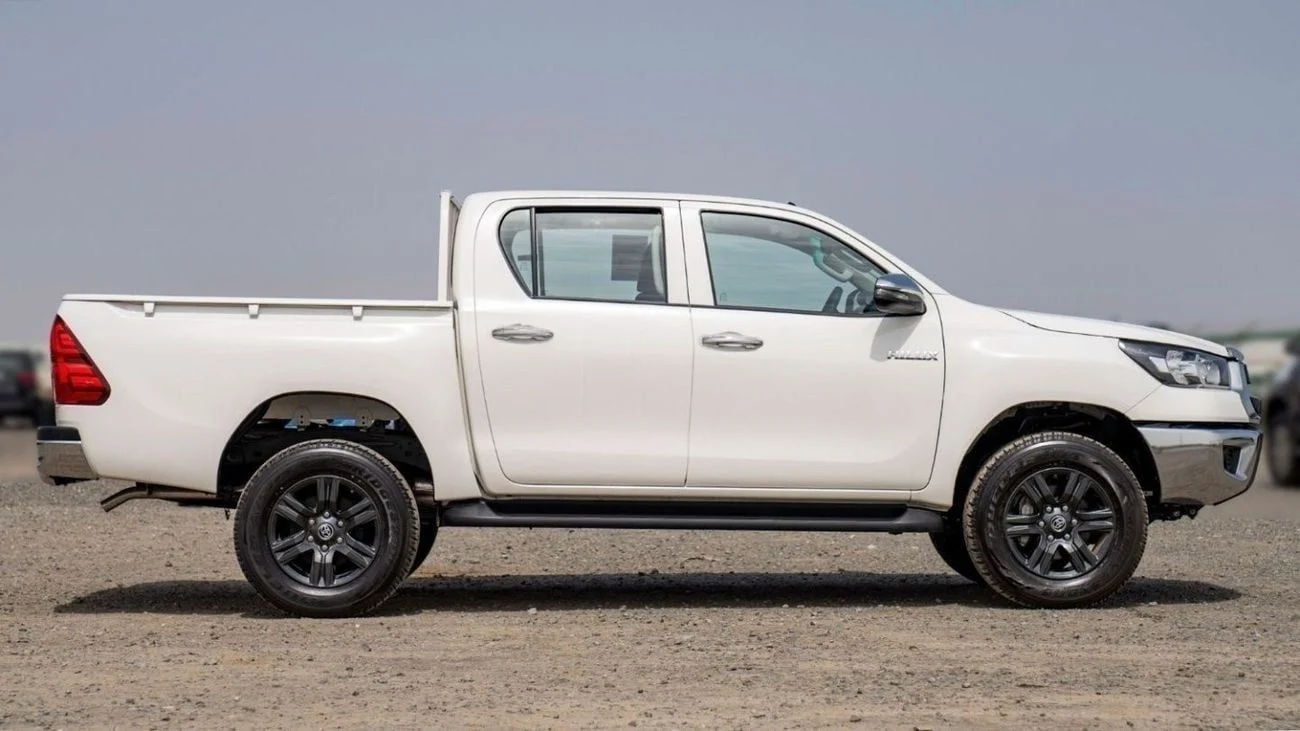
Toyota leads the Japanese charge with over 180 authorized service points across 35 African countries. Their parts distribution strategy includes regional warehouses in South Africa, Kenya, and Morocco, ensuring 72-hour delivery to most major cities. Honda and Nissan follow similar models, with 94 and 87 service centers respectively across the continent.
| Brand | Service Centers | Countries Covered | Average Parts Delivery Time |
|---|---|---|---|
| Toyota | 180 | 35 | 72 hours |
| Honda | 94 | 28 | |
| Nissan | 87 | 25 | 5-7 days |
| Mazda | 45 | 18 | 7-10 days |
Aftermarket Parts Ecosystem
The Japanese aftermarket parts ecosystem in Africa thrives due to standardized manufacturing processes and widespread vehicle adoption. Countries like Nigeria import over $400 million worth of Japanese aftermarket parts annually through Lagos Port. These parts, manufactured in countries like Thailand, Malaysia, and India, offer 60-70% cost savings compared to genuine parts while maintaining acceptable quality standards.
Local manufacturing partnerships have emerged in several African countries. South Africa produces Toyota brake pads and filters under license, while Morocco manufactures Nissan electrical components for North African markets. These partnerships significantly reduce costs and delivery times for common maintenance items.
Cost Analysis: German vs Japanese Spare Parts
Spare parts costs represent a crucial factor in total vehicle ownership expenses across Africa. German car parts typically cost 40-60% more than equivalent Japanese components, according to the African Automotive Parts Pricing Index 2026. However, German parts often offer superior durability and longer replacement intervals.
A comparative analysis of common spare parts reveals significant price differences:
- Brake pad sets: German ($85-120), Japanese ($35-65)
- Air filters: German ($25-40), Japanese ($8-18)
- Alternators: German ($180-280), Japanese ($95-150)
- Timing belts: German ($45-75), Japanese ($20-35)
These price differentials reflect manufacturing costs, brand positioning, and distribution margins. German parts command premium prices due to perceived quality advantages and lower sales volumes across African markets. Japanese parts benefit from economies of scale and competitive aftermarket manufacturing.
Total Cost of Ownership Considerations
While German parts cost more initially, their longer lifespan can offset higher upfront expenses. Mercedes-Benz brake pads, for example, typically last 80,000-100,000 kilometers compared to 40,000-60,000 kilometers for standard Japanese equivalents. However, the cost advantage of Japanese parts often outweighs durability benefits in price-sensitive African markets.
RosM Autos provides comprehensive cost analysis reports for fleet buyers, including projected maintenance expenses over 5-year periods. This data helps African importers make informed decisions based on their specific market requirements and customer profiles.
Regional Availability Patterns and Port Access
Regional spare parts availability patterns closely follow shipping routes and port infrastructure across Africa. West African ports like Lagos, Tema, and Abidjan serve as primary entry points for both German and Japanese parts, with Lagos handling over 60% of Nigeria's automotive parts imports worth $1.8 billion annually.
East African markets depend heavily on Mombasa and Dar es Salaam ports for parts distribution. The Northern Corridor transport network facilitates parts distribution to landlocked countries like Uganda, Rwanda, and eastern Democratic Republic of Congo. Japanese parts dominate this region due to established shipping routes from Asia and competitive freight rates.
Southern African parts distribution centers around Durban port, which processes approximately $900 million in automotive parts annually. The Southern African Customs Union (SACU) facilitates free movement of parts between South Africa, Botswana, Lesotho, Eswatini, and Namibia, creating an integrated market of 65 million consumers.
Cross-Border Trade and Customs Procedures
Cross-border parts movement faces varying customs procedures and duty structures. The African Continental Free Trade Area (AfCFTA), fully implemented in 2026, reduces tariffs on automotive parts traded between African countries by 15-25%. However, complex rules of origin requirements still create administrative burdens for parts distributors.
German parts often face higher scrutiny at customs due to their higher declared values and sophisticated anti-counterfeiting measures. Japanese parts benefit from streamlined procedures established through decades of trade relationships, particularly in East and West African markets.
Quality Standards and Counterfeiting Issues
Quality standards for vehicle spare parts in Africa vary significantly between authorized and aftermarket channels. German manufacturers maintain strict quality control through certified distribution networks, with sophisticated anti-counterfeiting measures including holographic seals, QR codes, and blockchain verification systems introduced in 2026.
The counterfeit parts problem affects both German and Japanese brands but manifests differently. Fake German parts typically target high-value components like ECU modules and turbochargers, with estimated losses of $180 million annually according to the Brand Protection Alliance Africa. Japanese parts counterfeiting focuses on high-volume items like filters, spark plugs, and brake components, with fake Toyota parts alone causing $320 million in losses across Africa in 2026.
Verification Systems and Consumer Protection
Both German and Japanese manufacturers have implemented sophisticated verification systems. BMW's ConnectedDrive system allows real-time parts authentication through smartphone apps, while Toyota's Global Parts Authentication Network provides instant verification through dealer networks.
African governments have strengthened enforcement mechanisms, with Kenya's Anti-Counterfeit Agency conducting 847 raids in 2026, resulting in seizures worth $23 million. Nigeria's Standards Organization has implemented mandatory certification for imported automotive parts, reducing counterfeit penetration by an estimated 35% since implementation.
Future Trends and Market Projections
The African automotive parts market is evolving rapidly, driven by increasing vehicle adoption and improving infrastructure. The African Development Bank projects automotive parts demand will grow 8.5% annually through 2030, reaching $12.8 billion by decade's end.
German manufacturers are investing heavily in African market expansion. Volkswagen's $20 million parts distribution center in Lagos, operational since early 2026, serves West and Central African markets. Mercedes-Benz plans similar facilities in Nairobi and Casablanca by 2027.
Japanese manufacturers continue strengthening their dominant position through local partnerships and manufacturing investments. Toyota's $50 million parts manufacturing facility in Morocco began operations in 2026, producing components for both domestic and export markets across Africa.
Technology Integration and Digital Platforms
Digital transformation is revolutionizing parts distribution across Africa. Mobile money integration enables seamless parts ordering and payment, particularly important in markets with limited banking infrastructure. WhatsApp Business has become a primary ordering platform, with over 15,000 parts dealers using the service across sub-Saharan Africa.
Blockchain technology is being piloted for parts authenticity verification, with BMW and Toyota leading initiatives in South Africa and Kenya. These systems promise to eliminate counterfeiting while streamlining distribution processes.
Professional Recommendations for Vehicle Importers
Vehicle importers working with companies like RosM Autos should consider several factors when choosing between German and Japanese vehicles for African markets. Customer demographics, local service infrastructure, and parts availability all influence long-term success.
For premium market segments in major cities, German vehicles offer excellent value proposition despite higher parts costs. Customers in these segments prioritize quality and are willing to pay premiums for genuine parts and professional service. The growing middle class in countries like Nigeria, Kenya, and Ghana represents significant opportunities for German vehicle importers.
Japanese vehicles remain optimal for mass-market segments, rural areas, and commercial applications. Their extensive parts networks, affordable maintenance costs, and proven reliability make them ideal for price-sensitive customers and fleet operators.
Due Diligence and Documentation Requirements
Proper documentation is crucial for successful parts procurement in African markets. RosM Autos provides comprehensive vehicle history reports, parts compatibility matrices, and service documentation for all exported vehicles. This information helps African importers establish reliable parts supply chains and service networks.
Import documentation requirements vary by country but typically include commercial invoices, packing lists, certificates of origin, and conformity certificates. The Common Market for Eastern and Southern Africa (COMESA) Certificate of Origin provides preferential treatment for parts traded between member countries.
As an automotive market analyst with over 15 years of experience in African markets, I've observed the evolution of spare parts networks firsthand. The key to success lies in understanding local market dynamics and building relationships with reliable suppliers, whether dealing with German precision engineering or Japanese mass-market efficiency.
Frequently Asked Questions
Are spare parts for German cars readily available in Africa?
Yes, German car parts are available in Africa through 47 BMW, 52 Mercedes-Benz, 68 Volkswagen, and 31 Audi authorized service centers across major cities. Additionally, independent suppliers provide aftermarket alternatives. However, parts typically cost 40-60% more than Japanese equivalents and may take longer to obtain in remote areas.
Which cars have better spare parts availability in Africa - German or Japanese?
Japanese cars have superior spare parts availability in Africa, with Toyota alone maintaining 180 service centers across 35 countries. Japanese parts networks offer 72-hour delivery to most major cities, cost 40-60% less than German parts, and have extensive aftermarket support throughout the continent.
How much do German vs Japanese car parts cost in Africa?
German parts cost significantly more than Japanese equivalents: brake pads ($85-120 vs $35-65), air filters ($25-40 vs $8-18), and alternators ($180-280 vs $95-150). However, German parts often last longer, with Mercedes brake pads lasting 80,000-100,000km versus 40,000-60,000km for Japanese parts.
What are the main challenges with importing car parts to Africa?
Key challenges include import duties of 15-35%, complex customs procedures causing 2-4 week delays at major ports, counterfeit parts worth $500 million annually in losses, and varying quality standards. The African Continental Free Trade Area has reduced some tariffs by 15-25% since full implementation in 2026.
Which African ports handle the most automotive parts imports?
Lagos port handles over 60% of Nigeria's $1.8 billion annual automotive parts imports, making it West Africa's largest gateway. Durban processes approximately $900 million annually for Southern Africa, while Mombasa serves East African markets. These three ports collectively handle about 55% of Africa's automotive parts imports.
Amara Okafor
Africa Market Analyst at RosM Autos
Amara covers vehicle import trends across West and East Africa. With deep knowledge of Nigerian, Ghanaian, and Kenyan import regulations, she helps buyers navigate duties, documentation, and logistics.