Complete Used Tractor Inspection Checklist for 2026: Essential Pre-Purchase Guide
A comprehensive guide to inspecting used tractors before purchase, covering engine assessment, hydraulic systems, PTO inspection, and critical maintenance records. Essential for buyers seeking reliable agricultural equipment.
Stefan Müller
Vehicle Export Specialist at RosM Autos
Key Takeaway
A comprehensive used tractor inspection should systematically evaluate engine condition, hydraulic systems, PTO functionality, structural integrity, and maintenance records. Professional inspection services can identify expensive problems before purchase, while proper documentation ensures smooth international shipping and customs clearance for export buyers.
TLDR: A thorough used tractor inspection should cover engine hours, hydraulic systems, PTO functionality, structural integrity, and maintenance records. Professional inspection services can prevent costly mistakes and ensure you're investing in reliable equipment for your agricultural operations.
Essential Engine and Powertrain Inspection
The engine represents the heart of any tractor, and proper assessment can save you thousands in future repair costs. Start by examining the engine hour meter, which typically indicates usage more accurately than odometer readings for agricultural equipment.
Modern tractors manufactured after 2020 feature digital hour meters that are difficult to tamper with, but older models may have mechanical counters. According to the American Society of Agricultural Engineers, tractors with 3,000-5,000 hours are considered moderate use, while units exceeding 8,000 hours require careful evaluation of maintenance records.
Check the engine oil quality and level immediately. Dark, thick oil or metal particles indicate poor maintenance or potential engine wear. The coolant should appear clean without rust particles or oil contamination. Inspect belts and hoses for cracking, fraying, or swelling, as these components often fail in older machinery.
Listen to the engine at idle and under load. Unusual knocking, excessive diesel smoke, or irregular idle patterns suggest internal engine problems. Blue smoke indicates oil burning, while white smoke may signal coolant issues or injection problems.
Transmission and Drivetrain Assessment
Test all gear ranges, including forward and reverse speeds. The transmission should engage smoothly without grinding or slipping. Pay special attention to the clutch operation on manual transmissions, ensuring it engages and disengages completely without chattering.
Four-wheel-drive engagement should operate smoothly with indicator lights functioning correctly. Differential locks must engage and disengage properly, as repair costs for these systems can exceed $3,000 according to Farm Equipment Magazine's 2026 repair cost survey.
Hydraulic System Check: Critical for Implement Operation
Hydraulic system failures represent one of the most expensive repair categories for used tractors, often costing $2,500-$6,000 to rebuild completely. Proper hydraulic system inspection can prevent these costly surprises.
Start the engine and operate all hydraulic functions, including loader arms, bucket operation, and rear remotes. Each function should operate smoothly without jerky movements or slow response times. Listen for unusual noises from the hydraulic pump, which may indicate wear or contamination.
Check hydraulic fluid levels and quality. The fluid should appear clean and maintain proper color for the specific type used. Milky or foamy fluid indicates water contamination, while dark, burnt-smelling fluid suggests overheating or long service intervals.
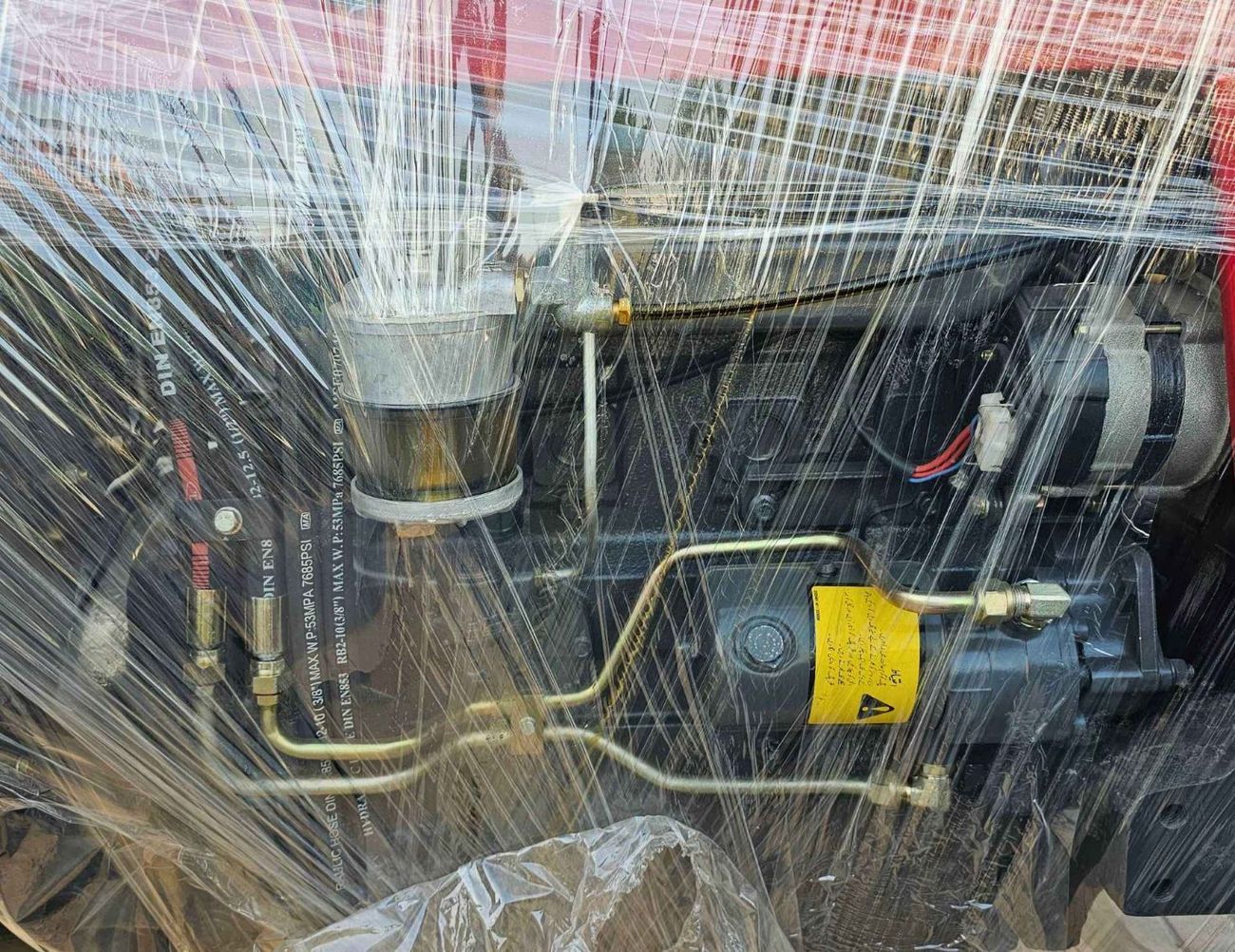
Examine all hydraulic hoses and fittings for leaks, wear, or damage. Small leaks may seem minor but indicate potential failure points that could leave you stranded during critical work periods. Test the hydraulic response under load by operating implements with realistic working pressure.
Loader and Three-Point Hitch Evaluation
For tractors equipped with front-end loaders, test lift capacity and speed. The loader should lift smoothly to full height without stalling or creeping down when the control is released. Bucket curl and dump functions must operate consistently throughout the full range of motion.
Three-point hitch operation requires careful attention to draft control and position control systems. These systems should maintain implement position accurately and respond appropriately to varying soil conditions during testing.
Power Take-Off (PTO) Inspection Guide
PTO functionality directly impacts the tractor's ability to operate essential implements like mowers, balers, and spreaders. PTO problems can render expensive implements useless, making this inspection crucial.
Engage the PTO at various RPM settings, listening for unusual vibration or noise. The PTO shaft should turn smoothly without wobble or grinding sounds. Test both 540 RPM and 1000 RPM settings if the tractor is equipped with dual-speed PTO.
Examine the PTO shaft splines for wear, as damaged splines can destroy implement input shafts. The PTO shield should be intact and properly secured, as missing shields create serious safety hazards and may violate workplace safety regulations.
Independent PTO systems should maintain consistent speed regardless of ground speed changes. Ground-driven PTO systems should engage and disengage smoothly without excessive shaft play.
PTO Clutch and Engagement Systems
Listen carefully when engaging and disengaging the PTO clutch. Smooth engagement indicates proper adjustment, while grinding or excessive vibration suggests worn components. The PTO should not engage unexpectedly or fail to disengage completely.
For tractors with electric PTO engagement, test the system multiple times to ensure consistent operation. Electrical problems in PTO systems can be expensive to diagnose and repair, particularly on newer tractors with complex control systems.
Structural and Safety Component Evaluation
Structural integrity affects both safety and resale value, making thorough inspection essential for any used tractor purchase. Begin with the main frame, looking for cracks, repairs, or modifications that might indicate previous overload conditions or accidents.
Roll-Over Protective Structures (ROPS) must be intact and properly mounted. According to the National Institute for Occupational Safety and Health, ROPS reduce fatality risk by 99% in tractor overturn accidents. Any damage to ROPS components requires professional evaluation and potential replacement.
Inspect the front axle assembly for excessive wear in kingpins, tie rod ends, and steering components. Loose steering can indicate expensive repair needs and creates safety hazards during operation.
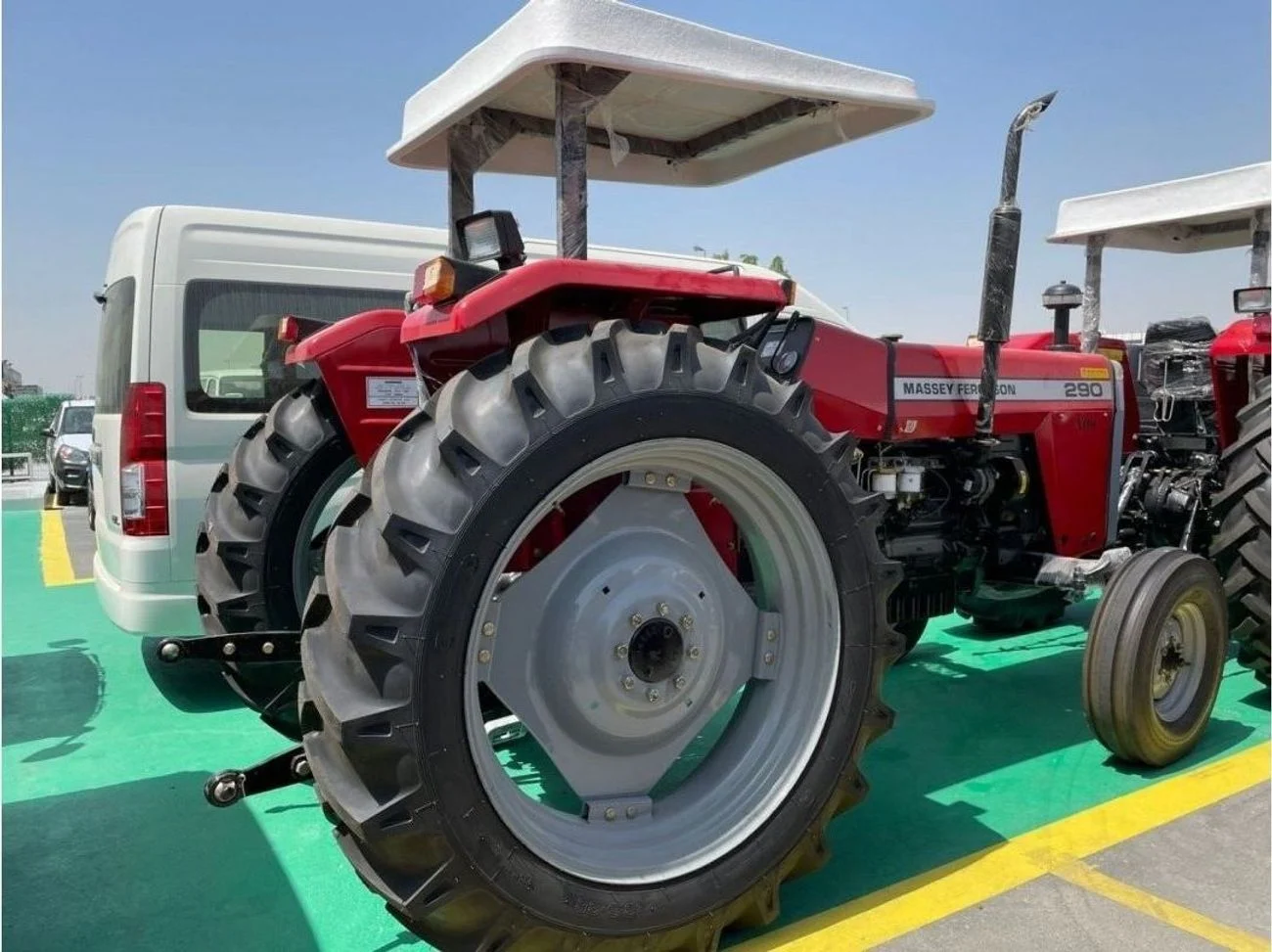
Check tire condition and match, as replacing large agricultural tires can cost $1,200-$2,500 per tire for newer tractors. Look for even wear patterns, adequate tread depth, and proper inflation. Mismatched tires affect traction and can stress drivetrain components.
Operator Station and Controls
Test all switches, indicators, and gauges for proper function. Non-functional gauges can hide developing problems and lead to expensive engine damage. The seat should adjust properly and show reasonable wear for the tractor's age and hours.
Air conditioning and heating systems should operate effectively, as replacement can cost $1,500-$3,000. Test the lights, including work lights, hazard flashers, and turn signals, particularly important for road transport operations.
Maintenance Records and Documentation Review
Comprehensive maintenance records provide crucial insight into the tractor's history and future reliability. Request service records, including routine maintenance, repairs, and parts replacement documentation.
Look for consistent maintenance intervals, particularly engine oil changes, hydraulic filter replacements, and transmission service. Gaps in maintenance records may indicate periods of poor care that could affect long-term reliability.
Verify any major repairs or component replacements, including engine rebuilds, transmission work, or hydraulic system overhauls. Quality repair work with proper documentation can actually increase a tractor's value, while poor repairs may create ongoing problems.
Warranty and Service History Verification
For newer used tractors, verify remaining warranty coverage and transferability. Some manufacturers offer extended warranties that transfer to subsequent owners, providing valuable protection against unexpected repairs.
Research the specific model's service bulletins and known issues through manufacturer databases or agricultural equipment forums. Some models have common problems that should be addressed during the inspection process.
| System | Critical Check Points | Warning Signs | Typical Repair Costs |
|---|---|---|---|
| Engine | Hours, oil quality, coolant, belts | Metal in oil, irregular idle, excessive smoke | $8,000-$15,000 rebuild |
| Transmission | All gear ranges, clutch operation, differential locks | Grinding, slipping, hard shifting | $3,000-$7,000 repair |
| Hydraulics | Pump operation, fluid quality, hose condition | Slow response, fluid contamination, leaks | $2,500-$6,000 rebuild |
| PTO | Speed consistency, engagement smoothness, shaft wear | Vibration, grinding, inconsistent speed | $1,200-$3,500 repair |
| Tires | Tread depth, wear patterns, matching | Uneven wear, cracking, low tread | $1,200-$2,500 per tire |
Professional Inspection Services and Expert Evaluation
While thorough self-inspection provides valuable insight, professional evaluation services offer expertise that can identify problems missed by untrained buyers. Many agricultural equipment dealers and independent mechanics provide pre-purchase inspection services for $200-$500.
Professional inspectors use specialized tools like compression testers, hydraulic pressure gauges, and diagnostic computers to evaluate systems beyond visual inspection capabilities. This investment often pays for itself by identifying expensive problems before purchase.
At RosM Autos, our vehicle inspection services extend beyond standard automotive equipment to include comprehensive agricultural machinery evaluation. Our certified technicians have extensive experience with European and American tractor brands commonly exported to Africa, South America, and Eastern Europe.
Documentation and Export Considerations
For international buyers, proper documentation becomes crucial for customs clearance and registration in destination countries. Ensure all serial numbers match documentation, and verify the tractor meets emission standards required in your country.
Export documentation requirements vary significantly between destinations. Nigerian Customs Service requires specific emission certifications for agricultural equipment imports, while Brazilian regulations focus on safety equipment compliance. Professional export services can navigate these requirements efficiently.
RosM Autos provides complete export documentation services, including preparation of commercial invoices, packing lists, and certificates of origin required by various international markets. Our experience with Hamburg and Bremen port procedures ensures smooth shipping arrangements for agricultural equipment exports.
Final Inspection Checklist and Decision Framework
Before finalizing any used tractor purchase, complete this comprehensive checklist to ensure you haven't overlooked critical components. Systematic evaluation prevents costly oversights and provides negotiation leverage when problems are discovered.
Document all findings with photographs, particularly any damage or wear patterns. This documentation proves valuable for insurance purposes and future resale considerations. Create a priority list ranking any identified problems by repair urgency and cost.
Calculate total ownership costs including purchase price, immediate repair needs, and expected maintenance over your planned ownership period. Factor in parts availability and service support in your geographic area, as some brands offer better support networks than others.
Negotiation Strategy Based on Inspection Results
Use inspection findings to negotiate realistic pricing adjustments reflecting the tractor's actual condition. Minor cosmetic issues rarely justify significant price reductions, while major system problems may warrant thousands of dollars in adjustments.
Consider requesting that certain repairs be completed before purchase, particularly safety-related issues or problems affecting basic functionality. This approach ensures proper repair quality and reduces your immediate post-purchase expenses.
For export purchases, factor in shipping costs and destination import duties when evaluating total investment. RosM Autos provides transparent shipping cost estimates to major ports including Lagos, Nigeria; Santos, Brazil; and Gdansk, Poland, helping international buyers make informed decisions.
Regional Considerations for International Buyers
International tractor buyers face unique challenges related to parts availability, service support, and regulatory compliance in destination countries. European tractors exported to Africa or South America may require different maintenance approaches than originally designed markets.
Consider climate differences when evaluating cooling systems, air filtration, and electrical components. Tractors designed for European conditions may need modifications for operation in tropical or desert environments common in export markets.
Service manual availability and language barriers can complicate maintenance in destination countries. Ensure comprehensive documentation accompanies your purchase, including wiring diagrams, hydraulic schematics, and parts catalogs in appropriate languages.
Currency and Payment Considerations
Exchange rate fluctuations can significantly impact the total cost of international tractor purchases. Consider timing purchases to take advantage of favorable exchange rates, particularly for high-value equipment purchases.
Payment methods vary between suppliers and destinations. Bank transfers remain the most secure option for high-value transactions, while letters of credit provide additional protection for buyers dealing with unfamiliar suppliers. RosM Autos accepts multiple payment methods to accommodate international buyer preferences while maintaining transaction security.
Long-Term Ownership Planning
Successful used tractor ownership extends beyond the initial purchase decision to include maintenance planning, parts sourcing, and eventual resale considerations. Develop a comprehensive ownership strategy before completing your purchase.
Research parts availability and pricing for your chosen tractor model, particularly wear items like filters, belts, and hydraulic components. Some brands offer significantly better parts support than others, affecting long-term operating costs.
Plan maintenance schedules based on your expected usage patterns and operating conditions. Heavy-duty applications or extreme environments may require more frequent service intervals than manufacturer recommendations.
Consider operator training requirements, particularly for complex modern tractors with electronic controls and GPS guidance systems. Proper training maximizes equipment productivity and reduces operator-caused damage risks.
Frequently Asked Questions
What are the most important things to check when buying a used tractor?
Focus on engine hours and condition, hydraulic system functionality, PTO operation, structural integrity including ROPS, and comprehensive maintenance records. These systems represent the highest repair costs and most critical safety concerns for tractor operations.
How many engine hours are too many for a used tractor?
Tractors with 3,000-5,000 hours are considered moderate use, while units over 8,000 hours require careful evaluation. However, well-maintained tractors can operate reliably beyond 10,000 hours, making maintenance records more important than hours alone.
What should I look for during a PTO inspection on a used tractor?
Test PTO engagement at various RPM settings, listen for unusual vibration or grinding sounds, check shaft splines for wear, ensure shields are intact, and verify consistent speed maintenance. Independent PTO systems should maintain speed regardless of ground speed changes.
How can I verify maintenance records for a used tractor?
Request complete service records including routine maintenance, repairs, and parts replacements. Look for consistent maintenance intervals, verify major repairs with documentation, and check for service gaps that might indicate poor care periods affecting reliability.
Is professional inspection worth the cost for used tractor purchases?
Professional inspection services costing $200-$500 often pay for themselves by identifying expensive problems missed during self-inspection. Professional inspectors use specialized tools and have expertise to evaluate complex systems beyond visual inspection capabilities.
Stefan Müller
Vehicle Export Specialist at RosM Autos
Stefan has over 10 years of experience in international vehicle export from Germany. He specializes in quality inspection, customs documentation, and shipping logistics to Africa and South America.