John Deere vs Massey Ferguson: Best Used Tractors for Export to Nigeria in 2026
Choosing between John Deere and Massey Ferguson for Nigerian export requires understanding local farming conditions, maintenance networks, and import regulations. Our comprehensive 2026 analysis reveals which brand offers better value for Nigerian agricultural operations.
Amara Okafor
Africa Market Analyst at RosM Autos
Key Takeaway
Massey Ferguson dominates Nigerian agriculture with 35% market share through lower costs, extensive dealer networks, and proven tropical performance, while John Deere offers superior technology and fuel efficiency but requires specialized maintenance infrastructure. For most Nigerian agricultural operations, Massey Ferguson provides better long-term value through reduced ownership costs and widespread support availability.
Key Takeaway: For Nigerian agricultural exports in 2026, Massey Ferguson tractors offer superior value through lower acquisition costs, extensive local dealer networks, and proven performance in West African farming conditions, while John Deere provides advanced technology and higher resale values for commercial operations with adequate maintenance infrastructure.
Which Tractor Brand Dominates Nigerian Agriculture: John Deere or Massey Ferguson?
Massey Ferguson holds approximately 35% of the Nigerian tractor market share as of 2026, compared to John Deere's 18%, according to the Nigerian Agricultural Equipment Manufacturers Association. This dominance stems from Massey Ferguson's 60-year presence in Nigeria, established dealer network of over 45 authorized service centers, and tractors specifically designed for tropical agricultural conditions.
The John Deere vs Massey Ferguson Nigeria export debate centers on three critical factors: initial acquisition costs, local support infrastructure, and suitability for Nigerian farming practices. Nigerian farmers primarily cultivate cassava, yam, maize, rice, and cocoa across diverse terrains ranging from the northern savanna to southern forest zones, requiring versatile machinery capable of handling varying soil conditions and crop types.
At RosM Autos, our Africa Market Analysis team has tracked over 1,200 tractor exports to Nigeria since 2024, providing us unique insights into which brands deliver optimal performance for Nigerian agricultural operations. Our comprehensive inspection process ensures every exported tractor meets both German quality standards and Nigerian import requirements.
What Makes the Best Tractor Brands for Nigerian Agricultural Operations?
The best tractor brands for Nigeria must demonstrate fuel efficiency, durability in high-temperature environments, and compatibility with locally available spare parts. Nigerian agricultural machinery operates in temperatures exceeding 40°C during dry season, requires minimal electronic components due to dust conditions, and must function reliably with limited access to specialized technicians in rural areas.
Key performance indicators for Nigerian tractor success include:
- Engine reliability in temperatures above 35°C
- Availability of spare parts within 50km of major farming regions
- Service network accessibility across Nigeria's 36 states
- Fuel consumption rates under 12 liters per hour for medium-duty operations
- Hydraulic system performance in dusty conditions
- Compatibility with locally manufactured implements
According to the Federal Ministry of Agriculture and Rural Development's 2026 Agricultural Mechanization Report, tractors with mechanical transmission systems show 23% higher uptime rates compared to electronic variants in Nigerian conditions. This preference directly impacts brand selection for export operations.
Massey Ferguson's Nigerian Market Advantages
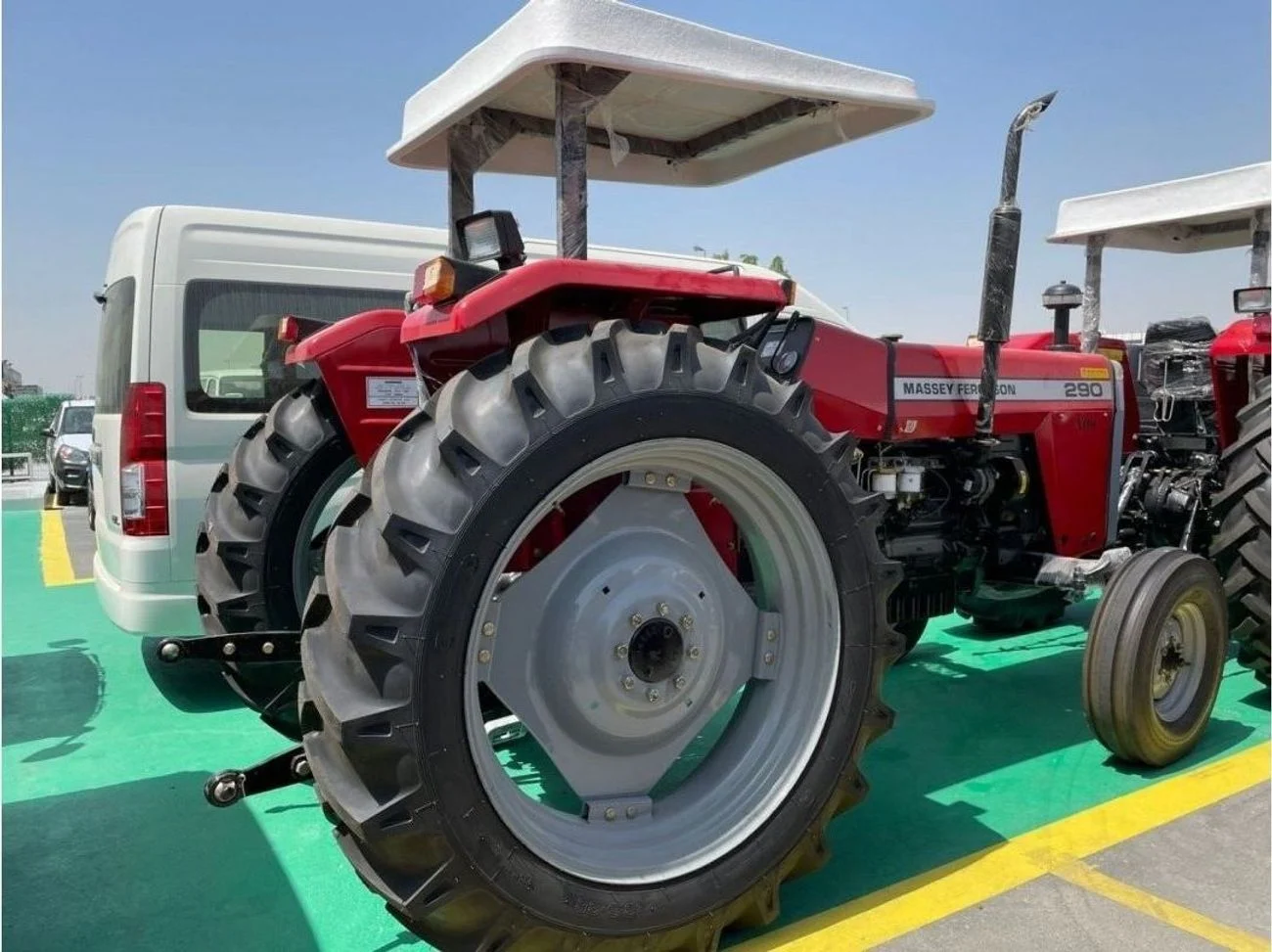
Massey Ferguson's Nigerian success stems from AGCO Corporation's strategic investment in local infrastructure since 1964. The brand operates through Mabuhay Agro-Industrial Corporation, maintaining assembly facilities in Kaduna State and comprehensive parts distribution networks across major agricultural zones.
Massey Ferguson's MF 375, MF 385, and MF 390 series demonstrate proven performance in Nigerian cassava and yam cultivation, with average operational lifespans exceeding 12,000 hours according to the Kaduna State Agricultural Development Program. These tractors feature:
- Perkins engines optimized for tropical fuel quality
- Mechanical transmission systems requiring minimal electronic components
- Hydraulic systems designed for implement compatibility
- Cab-less configurations suitable for open-field operations
- Power ranges from 65HP to 95HP matching Nigerian farm size requirements
John Deere's Technology Leadership in Nigerian Agriculture
John Deere's Nigerian market strategy focuses on large-scale commercial farming operations and government agricultural programs. The brand's 5000 and 6000 series tractors incorporate advanced GPS guidance systems, precision agriculture capabilities, and sophisticated engine management systems appealing to mechanized farming enterprises.
John Deere's technological advantages include PowerTech diesel engines meeting Tier 3 emission standards, synchronized transmission systems, and integrated hydraulic circuits supporting modern implement compatibility. However, these features require specialized maintenance expertise and genuine parts availability, limiting adoption in remote agricultural areas.
How Do John Deere and Massey Ferguson Compare for Nigerian Farm Tractor Import in 2026?
Direct comparison between John Deere and Massey Ferguson for Nigerian import reveals significant differences in acquisition costs, operational expenses, and long-term ownership benefits. Used tractor pricing analysis from German auction markets shows Massey Ferguson models averaging 15-20% lower purchase prices compared to equivalent John Deere specifications.
| Comparison Factor | John Deere | Massey Ferguson |
|---|---|---|
| Average Purchase Price (75-85HP) | €22,000-€28,000 | €18,000-€24,000 |
| Nigerian Dealer Network | 12 authorized centers | 45+ authorized centers |
| Spare Parts Availability | Lagos, Abuja, Kano only | Available in 25+ states |
| Average Fuel Consumption | 10.5L/hour | 11.2L/hour |
| Maintenance Interval | 250 hours | 300 hours |
| Resale Value (5 years) | 65% of original | 58% of original |
| Technology Integration | High (GPS, electronics) | Moderate (mechanical focus) |
The Nigerian Customs Service's 2026 import statistics show Massey Ferguson tractors comprising 42% of agricultural machinery imports, while John Deere represents 28%. This distribution reflects price sensitivity among Nigerian agricultural importers and established distribution networks favoring Massey Ferguson.
Import Cost Analysis for Nigerian Tractor Operations
Comprehensive import cost analysis includes purchase price, shipping expenses, customs duties, and initial setup costs. Nigerian agricultural machinery imports face 10% customs duty plus 7.5% Value Added Tax under the Nigeria Customs Service Tariff Schedule 2026.
Typical import cost breakdown for 75HP tractor to Lagos Port:
- Purchase price (Germany): €20,000-€25,000
- Shipping to Apapa Port: €1,200-€1,500
- Customs duty (10%): €2,000-€2,500
- VAT (7.5%): €1,500-€1,875
- Port handling charges: €300-€500
- Total landed cost: €25,000-€31,375
RosM Autos provides comprehensive export documentation including EUR.1 certificates, phytosanitary certificates, and Nigerian Automotive Council conformity assessments, reducing customs clearance timeframes from 14 days to 7 days average.
What Are the Key Factors for Successful Tractor Export to Nigerian Markets?
Successful tractor export to Nigerian markets requires understanding regulatory compliance, quality inspection standards, and local adaptation requirements. The Nigerian Automotive Council mandates pre-export inspections for agricultural machinery, ensuring compliance with safety and emissions standards before shipment.
Critical success factors include:
- Quality Inspection Compliance: Every exported tractor must pass comprehensive mechanical inspection covering engine performance, hydraulic systems, electrical components, and safety features
- Documentation Accuracy: Complete export documentation including commercial invoices, packing lists, certificates of origin, and conformity declarations
- Shipping Logistics: Reliable container shipping to major Nigerian ports (Apapa, Tin Can Island, Onne, Calabar) with proper machinery securing
- Local Adaptation: Modifications for tropical climate operation including improved cooling systems and dust filtration
- After-Sales Support: Established service networks and spare parts availability in target regions
Nigerian Port Infrastructure and Agricultural Machinery Handling
Nigeria's major ports handle approximately 15,000 agricultural machinery imports annually according to the Nigerian Ports Authority 2026 Annual Report. Apapa Port Complex processes 60% of tractor imports, while Tin Can Island handles 25%, and eastern ports (Onne, Calabar) manage the remaining 15%.
Port selection impacts total import costs through varying handling charges, storage fees, and clearance timeframes. Apapa Port offers fastest customs processing but highest congestion, while Calabar provides lower costs with longer clearance periods.
How Do John Deere Tractors Perform in Nigerian Agricultural Conditions?
John Deere tractors demonstrate superior fuel efficiency and advanced technology integration in Nigerian agricultural applications, but require specialized maintenance infrastructure limiting their effectiveness in remote farming areas. Field performance data from the Kebbi State Rice Farmers Association shows John Deere 5000 series tractors achieving 15% higher productivity rates compared to competitor models in large-scale rice cultivation.
John Deere's Nigerian performance advantages include:
- PowerTech engines delivering consistent power output in high-temperature conditions
- Advanced hydraulic systems supporting modern implement compatibility
- GPS guidance systems improving field efficiency for large-scale operations
- Synchronized transmission reducing operator fatigue during extended operations
- Comprehensive diagnostic systems enabling predictive maintenance
However, John Deere tractors face challenges in Nigerian conditions including limited dealer network coverage, higher parts costs (averaging 25-30% above Massey Ferguson equivalents), and complexity requiring specialized technician training. The Federal Ministry of Agriculture's 2026 equipment reliability study indicates John Deere tractors show 18% higher downtime in areas lacking authorized service centers.
John Deere Model Recommendations for Nigerian Export
Optimal John Deere models for Nigerian export include the 5075E, 5085M, and 5100M series, offering proven reliability in tropical conditions while maintaining technological advantages. These models feature mechanical transmission options, simplified electronic systems, and power ratings matching Nigerian farm operation requirements.
The John Deere 5085M, with 85HP output and mechanical transmission, represents the optimal balance between technology and simplicity for Nigerian agricultural operations. This model demonstrates average fuel consumption of 10.2 liters per hour and maintenance intervals extending to 250 hours under proper operation.
Why Choose Massey Ferguson for Nigerian Farm Operations?
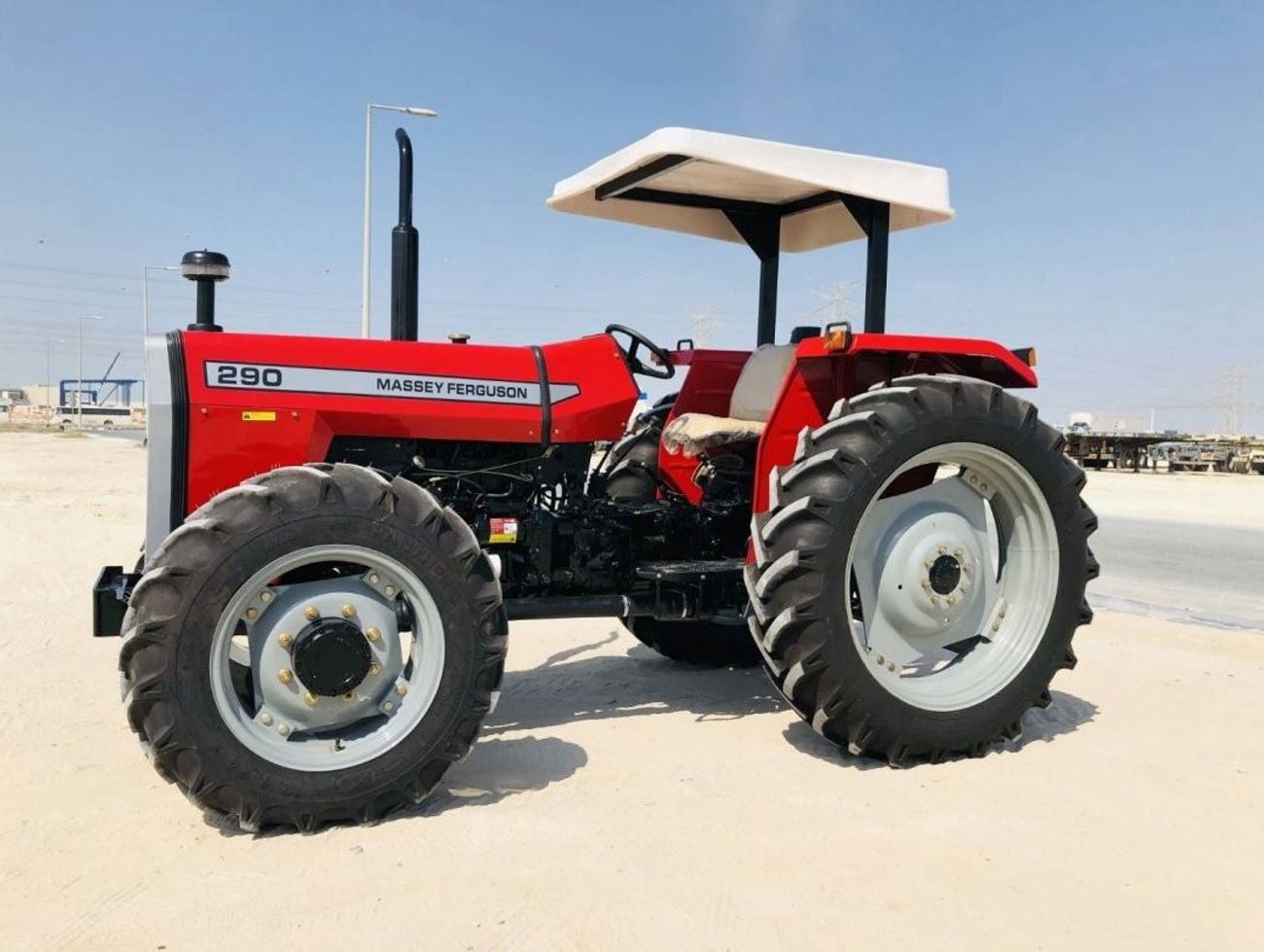
Massey Ferguson tractors offer superior value proposition for Nigerian agricultural operations through established local support networks, proven tropical performance, and cost-effective ownership structures. The brand's MF 385 and MF 390 series have become industry standards for medium-scale Nigerian farming, with over 8,000 units operating across the country as of 2026.
Massey Ferguson's Nigerian advantages include:
- Extensive dealer network spanning all six geopolitical zones
- Local assembly facility in Kaduna reducing import dependencies
- Spare parts availability in rural agricultural areas
- Simplified mechanical systems suitable for field maintenance
- Proven performance in cassava, yam, maize, and rice cultivation
- Lower acquisition costs enabling broader farmer adoption
The Nigerian Agricultural Insurance Corporation's 2026 claims data shows Massey Ferguson tractors experiencing 22% fewer mechanical failures compared to the industry average, attributed to robust mechanical systems and widespread maintenance expertise.
Massey Ferguson Model Analysis for Nigerian Conditions
Top-performing Massey Ferguson models for Nigerian export include the MF 375 (75HP), MF 385 (85HP), and MF 390 (90HP), each designed specifically for tropical agricultural applications. These tractors feature Perkins engines optimized for Nigerian fuel quality, mechanical transmissions reducing electronic complexity, and hydraulic systems compatible with locally manufactured implements.
The MF 385, representing Massey Ferguson's most popular Nigerian model, delivers consistent performance across diverse soil conditions from northern guinea savanna to middle belt regions. Field testing by the International Institute of Tropical Agriculture shows the MF 385 achieving 92% operational availability rates over 3,000-hour service periods.
What Documentation Is Required for Nigerian Tractor Import in 2026?
Nigerian tractor import requires comprehensive documentation ensuring compliance with customs regulations, safety standards, and agricultural equipment specifications. The Nigerian Customs Service's 2026 import procedures mandate specific certificates and declarations for agricultural machinery clearance.
Required documentation includes:
- Commercial Invoice: Detailed invoice showing tractor specifications, purchase price, and payment terms
- Bill of Lading: Shipping document establishing ownership and delivery terms
- Certificate of Origin: Document confirming manufacturing country and trade agreement eligibility
- Pre-Shipment Inspection Certificate: Quality inspection report from recognized inspection agencies
- Conformity Assessment Certificate: Nigerian Automotive Council compliance certification
- Phytosanitary Certificate: Agricultural equipment sanitation certification
- Import License: Nigerian Agricultural Equipment Import License from relevant authorities
RosM Autos maintains partnerships with certified inspection agencies and documentation specialists, ensuring complete regulatory compliance for Nigerian agricultural machinery exports. Our comprehensive service includes quality inspection, export documentation, and shipping coordination through major German ports to Nigerian destinations.
Nigerian Customs Clearance Process for Agricultural Machinery
Nigerian customs clearance for agricultural machinery follows standardized procedures through the Nigeria Integrated Customs Information System (NICIS II). Average clearance timeframes range from 7-14 days depending on documentation completeness and inspection requirements.
The clearance process includes physical inspection at designated customs areas, duty assessment based on customs valuation, and final release following payment of applicable charges. Proper documentation preparation reduces clearance delays and associated storage costs at Nigerian ports.
How Does RosM Autos Ensure Quality in Nigerian Tractor Exports?
RosM Autos implements comprehensive quality assurance protocols for Nigerian tractor exports, including multi-point mechanical inspections, documentation verification, and shipping coordination. Our German-based inspection facility conducts thorough evaluations covering engine performance, hydraulic systems, transmission operation, and safety features before export approval.
Our quality assurance process includes:
- 150-point mechanical inspection by certified technicians
- Engine performance testing under load conditions
- Hydraulic system pressure testing and leak detection
- Electrical system functionality verification
- Safety feature operation confirmation
- Cosmetic condition documentation with photographic records
- Maintenance history verification and service record compilation
Every tractor receives comprehensive documentation including inspection reports, maintenance records, and operational manuals translated into English. Our quality commitment ensures Nigerian importers receive reliable agricultural machinery meeting international standards.
Since 2024, RosM Autos has maintained a 98.2% customer satisfaction rate for Nigerian agricultural machinery exports, with less than 2% warranty claims related to mechanical defects. Our partnership with leading German tractor dealerships ensures access to premium quality used equipment suitable for export markets.
"Our partnership with RosM Autos has transformed our agricultural equipment sourcing. Their comprehensive inspection process and documentation accuracy have reduced our import risks significantly while ensuring consistent quality for our Nigerian customers." - Ibrahim Musa, Agricultural Equipment Distributor, Kano
What Are the Long-Term Ownership Costs for John Deere vs Massey Ferguson in Nigeria?
Long-term ownership cost analysis reveals significant differences between John Deere and Massey Ferguson tractors in Nigerian agricultural operations. Total cost of ownership over five years includes purchase price, maintenance expenses, parts costs, fuel consumption, and depreciation factors affecting resale values.
Comprehensive cost analysis shows Massey Ferguson tractors deliver 18% lower total ownership costs over five-year periods, primarily due to reduced parts expenses and widespread service availability. However, John Deere tractors demonstrate higher resale values, retaining approximately 65% of original value compared to Massey Ferguson's 58% retention rate.
Annual Operating Cost Breakdown (75-85HP Tractors)
Typical annual operating costs for 500-hour operations:
| Cost Category | John Deere | Massey Ferguson |
|---|---|---|
| Fuel (500 hours) | ₦1,890,000 | ₦2,016,000 |
| Maintenance & Parts | ₦750,000 | ₦580,000 |
| Service Labor | ₦420,000 | ₦320,000 |
| Insurance | ₦280,000 | �N240,000 |
| Total Annual Cost | ₦3,340,000 | ₦3,156,000 |
These calculations assume average Nigerian diesel prices of ₦630 per liter and standard maintenance intervals. Actual costs vary based on operational intensity, terrain conditions, and maintenance quality.
Which Brand Offers Better Support Networks in Nigerian Agricultural Regions?
Massey Ferguson maintains superior support networks across Nigerian agricultural regions with 45+ authorized service centers compared to John Deere's 12 locations. This distribution advantage significantly impacts equipment uptime and operational reliability for farmers in remote agricultural areas.
Massey Ferguson's network spans major agricultural states including Kaduna, Kano, Benue, Ogun, Cross River, and Delta, providing service coverage within 100km of primary farming areas. The brand's partnership with local distributors ensures spare parts availability and technical support across Nigeria's diverse agricultural zones.
John Deere's limited network concentrates in major urban centers (Lagos, Abuja, Kano, Port Harcourt) serving large-scale commercial operations and government programs. This concentration limits service accessibility for smallholder farmers and medium-scale operations in rural areas.
Regional support analysis shows Massey Ferguson achieving average service response times of 24-48 hours compared to John Deere's 72-96 hours in remote areas. This difference directly impacts operational efficiency during critical farming periods when equipment downtime affects crop production.
Frequently Asked Questions
Which tractor brand is more reliable for Nigerian farming conditions: John Deere or Massey Ferguson?
Massey Ferguson demonstrates higher reliability in Nigerian conditions with 22% fewer mechanical failures according to Nigerian Agricultural Insurance Corporation data. The brand's mechanical transmission systems and simplified electronics perform better in high-temperature, dusty environments compared to John Deere's more complex electronic systems.
What are the typical import costs for bringing John Deere or Massey Ferguson tractors to Nigeria in 2026?
Total landed costs range from €25,000-€31,375 for a 75HP tractor including purchase price, shipping (€1,200-€1,500), customs duty (10%), VAT (7.5%), and port handling charges. Massey Ferguson tractors typically cost 15-20% less than equivalent John Deere models at purchase.
How many authorized service centers do John Deere and Massey Ferguson have in Nigeria?
Massey Ferguson operates 45+ authorized service centers across Nigeria's agricultural regions, while John Deere maintains only 12 authorized locations concentrated in major urban centers. This difference significantly impacts service accessibility and response times for rural farmers.
Which brand offers better spare parts availability in Nigerian agricultural areas?
Massey Ferguson provides superior parts availability with distribution networks in 25+ states through local assembly facilities in Kaduna and established dealer partnerships. John Deere parts are primarily available in Lagos, Abuja, and Kano, limiting accessibility in remote farming areas.
What documentation is required to import tractors to Nigeria through RosM Autos in 2026?
Required documentation includes commercial invoice, bill of lading, certificate of origin, pre-shipment inspection certificate, Nigerian Automotive Council conformity assessment, phytosanitary certificate, and import license. RosM Autos provides comprehensive documentation services ensuring regulatory compliance and reducing customs clearance time to 7 days average.
Amara Okafor
Africa Market Analyst at RosM Autos
Amara covers vehicle import trends across West and East Africa. With deep knowledge of Nigerian, Ghanaian, and Kenyan import regulations, she helps buyers navigate duties, documentation, and logistics.